
Inflation amidst fragile truce
Later this week, investors will be keeping an eye on how the US Federal Reserve and its new chief Kevin Warsh react to key consumer inflation data and its potential effect on interest rates.
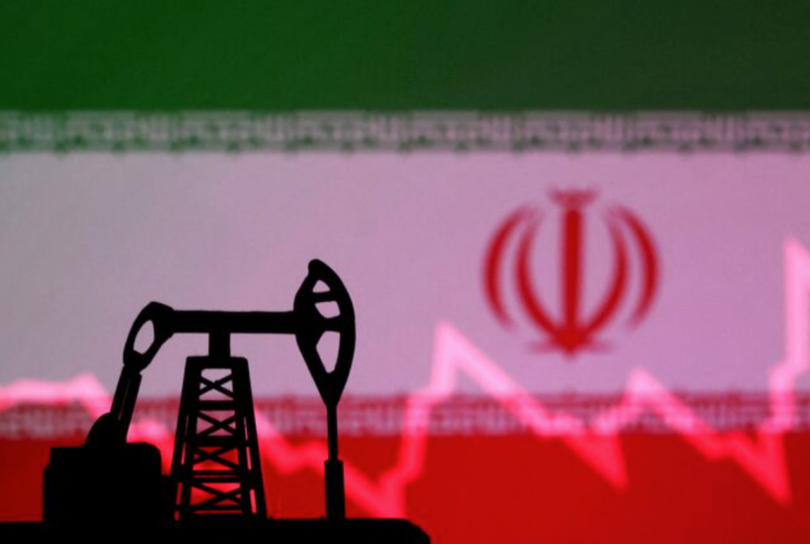
Many economists have warned that sustained price increases from the US and Israeli war against Iran will limit the likelihood of interest rate cuts by the Fed to boost US growth — something Trump has repeatedly called for in recent months.
“The inflation story remains central to the entire setup,” said Stephen Innes at SPI Asset Management.
“After several hotter-than-expected consumer and producer inflation reports earlier this month, markets are increasingly concerned that elevated oil prices and supply disruptions tied to the Middle East conflict are beginning to seep into the broader inflation pipeline,” he said.
In Europe, higher inflation is widely expected to lead the European Central Bank to increase rates in the coming weeks, increasing borrowing costs even as economic growth remains subdued.
But lofty corporate earnings and AI-driven tech enthusiasm have encouraged investors to look past the inflation risks, with bellwether US indexes trading at record highs despite the economic fallout from the Mideast war.
US joined Israel in attacking Iran on February 28, with strikes quickly killing the longtime supreme leader, Ali Khamenei, and much of the other top brass, as well as civilians.
But Iran quickly hit back by exerting control over the Strait of Hormuz, the narrow passageway through which one-fifth of global oil once sailed, and it has rained missiles and drones on US-allied Gulf countries, shattering the oil-rich countries’ hard-earned reputation for stability.
Fighting largely subsided after Pakistan helped broker a ceasefire that took effect on April 8 and has since been extended indefinitely by US President Trump.