
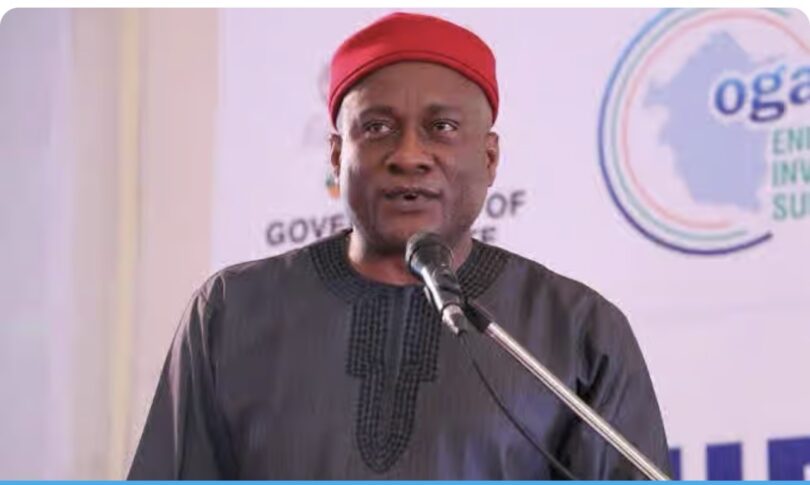
Chief Executive Officer of Air Peace, Allen Onyema, has called for a coordinated economic boycott of South African businesses by Nigerians in response to renewed xenophobic violence targeting African migrants in South Africa, while strongly condemning any form of violent retaliation.
Speaking during a television interview on Arise TV, Onyema said Nigeria should respond to the recurring attacks through non-violent economic measures, including the withdrawal of investments and a boycott of South African-linked businesses operating within Nigeria and across the continent.
He stressed that while retaliation against xenophobic actions was necessary, it must not take a violent form that could endanger lives or destabilise bilateral relations.
According to him, economic pressure would serve as a more effective and strategic response than street protests or physical confrontation.
Onyema also criticised South African authorities for what he described as repeated failure to protect foreign nationals during outbreaks of xenophobic violence. He questioned the apparent inability of security agencies to prevent mobs from attacking and forcibly removing migrants from their homes and businesses.
He further argued that Nigerians living and operating businesses in South Africa have made significant contributions to the country’s economy, particularly in the informal and small-scale enterprise sectors, and should not be subjected to hostility or discrimination.
“What they have done? The shops they are running, what kind of employment did you provide for him to run a shop? He brought money from Nigeria and opened a shop in your country to help your country,” Onyema said during the interview.
He added that Nigerians have demonstrated resilience and entrepreneurial capacity abroad and should instead be viewed as contributors to economic development rather than targets of violence or exclusion.
While supporting calls for a response to xenophobic incidents, Onyema clarified that he does not support the shutdown of South African companies operating in Nigeria, including telecommunications giant MTN, noting that Nigerians also have investments in such firms.
“I don’t want Nigeria to close down MTN or other companies. Don’t Nigerians have shares in those companies?” he said.
Instead, he advocated what he described as a “non-violent retaliation,” centred on strategic economic disengagement and investment withdrawal from South Africa, which he said would send a stronger diplomatic signal without escalating tensions.
“The kind of retaliation I want is for Nigerians to boycott South Africa,” Onyema said, adding that investment decisions should be used as leverage in international relations rather than physical confrontation.
Onyema’s remarks come amid renewed concerns over xenophobic attacks in South Africa, which have repeatedly strained relations between Pretoria and several African countries, including Nigeria.