The Iran war has baked in stagflation and starvation through big reductions in the supply of oil and fertilisers. This inflationary pressure will only increase. As inflation sucks liquidity out of financial markets and into the real economy, bond yields are being pushed up across the world. If bond yields rise by more than a percentage point, a likely scenario before the year’s end, the liquidity diversion could be big enough to pop the AI bubble.
Compared with the oil shock of 2007-8, which sent prices towards US$150 per barrel, the shock this time could be of a greater magnitude.
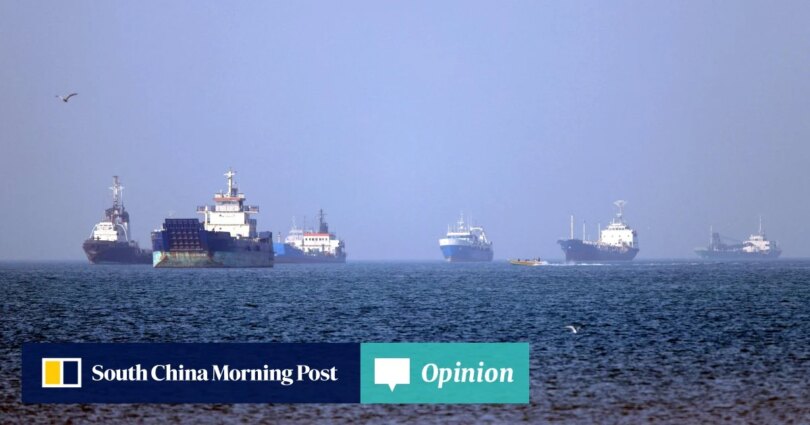
And the petrol price could indeed hit US$10 a gallon this summer. The cushions that have kept the price rise contained are dissipating. The oil in the tankers on the water is likely to have been used by then. Countries will become less willing to release strategic reserves as the conflict drags on and expectations of a quick resolution fade.
The US can halt its petroleum exports to keep domestic petrol prices low. But this will trigger a massive spike in international oil prices, which would see Europe and Japan suffer a collapse. Would the US sacrifice its allies for the small chance of destroying Iran?