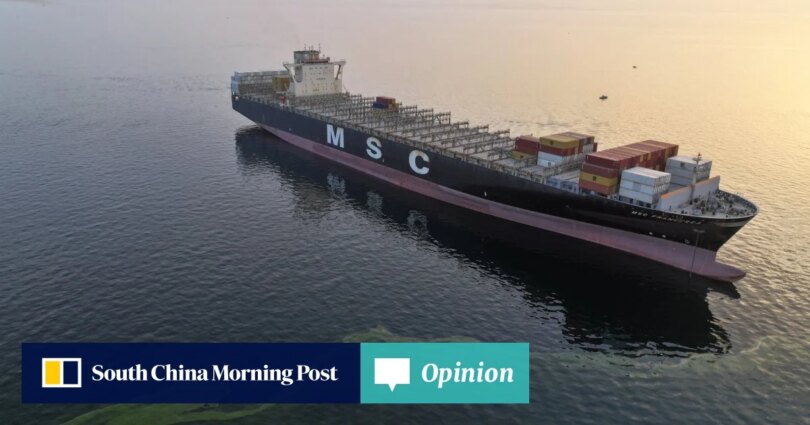
The Strait of Hormuz is usually described as a chokepoint. Today, it is more than that. It is the hinge point between war and peace in the Gulf.
Roughly a fifth of the world’s oil and gas trade passes through this narrow waterway. When it was secure, the global economy barely noticed it. As soon as it was threatened, prices jumped, shipping costs rose and military tensions spread beyond the region. Today, the issue is even larger than economics. If the status of the strait is left unresolved, the US-Israel war against Iran itself might not truly end.
Iran is seeking to charge a toll for the use of the strait. Tehran sees this as the only method it can use to secure funds for post-war reconstruction. However, for most of the world – even those countries sympathetic to Iran’s plight in the face of attacks by the United States and Israel – Hormuz is an international body of water through which transit must remain open.
The deeper issue is not tolls. It is whether post-war reconstruction and security will be handled through negotiation or through recurring coercion. If no credible arrangement emerges for Hormuz, every future dispute between the US and Iran risks becoming a naval crisis. Tanker seizures, military escorts, sabotage claims and sudden spikes in insurance costs would become tools of politics by other means.
A ceasefire in the air and on land would coexist uneasily with an undeclared conflict at sea. In that sense, Hormuz is not a side issue to be settled later. It has become more central to ending the war.
That is why a simple return to the pre-war status quo, though attractive, would be incomplete. It might temporarily reopen shipping, but it would not answer demands for reconstruction. It might reassure markets for a time, but it would leave incentives for future brinkmanship intact.