
Sitting by the Tanjung Aru beach in Kota Kinabalu, Malaysia, watching one of the most stunning sunsets in the world, I reflected on what it would take to prioritise the United Nations Sustainable Development Goals.
I had just finished an intense three days with 170 local and global organisations, such as the conservation organisation WWF, businesses, investors and policymakers on how the world should expand the scale of impact investing in the Sustainable Development Goals in Sabah and beyond.
The UN agreed on its 17 Sustainable Development Goals in 2015, and over 10 years later, only 18 per cent of the goals seem to be achievable by 2030. So far, progress has been weak – insufficient impact, nowhere near enough money and a lack of political will.
If delivering environmental and social justice is the task at hand, we need to prioritise problems, fix them and then show everyone the results. Complaining gets you nowhere. People believe results. But we must start small, think big and act at scale. Where should the focus be if we want to deliver impact on biodiversity, water, food and energy?
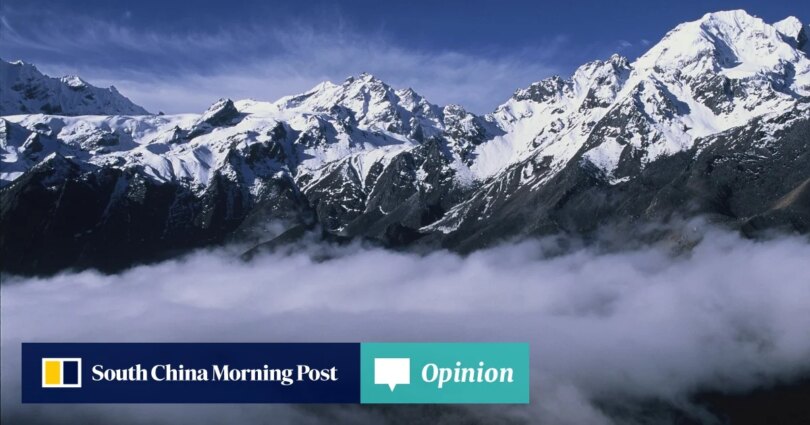
The Amazon, Borneo and the Hindu Kush Himalaya are not just fascinating ecosystems; they form the planetary frontier for experimentation and action on climate stability, biodiversity and human survival.
Combined, these regions hold vast swathes of the Earth’s terrestrial carbon. The Amazon, Hindu Kush Himalaya and Borneo sustain at least one-quarter of all known species. These regions also secure water, food and energy for billions of people. But the threats are daunting: deforestation, peat destruction, glacial melt and short-sighted uncoordinated development risk triggering irreversible tipping points that will harm people the world over.