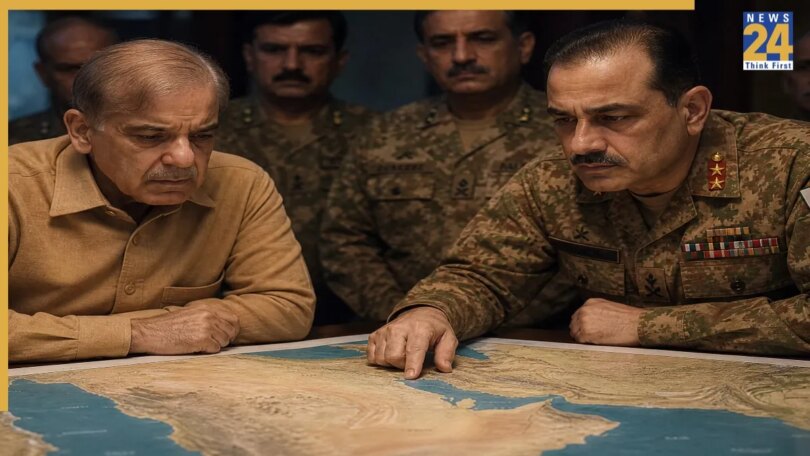
Pakistan is facing a major foreign policy challenge after Yemen’s Iran-backed Houthi rebels resumed attacks on Saudi Arabia, raising concerns that Islamabad could be pulled into a conflict it has been trying to avoid.
The latest missile attacks on Saudi Arabia have placed Pakistan in a difficult position. Islamabad shares a close security relationship with Riyadh, while at the same time it has been attempting to act as a diplomatic bridge between the United States and Iran.
The renewed tensions are now creating a clash between Pakistan’s commitments to Saudi Arabia and its efforts to maintain ties with Iran.
Why is Islamabad under pressure after Houthi attacks?
Pakistan has spent months trying to present itself as a mediator in the West Asia crisis. It played a role in facilitating dialogue between Washington and Tehran and has repeatedly called for diplomatic solutions.
However, Pakistan’s defence ties with Saudi Arabia have made the situation more complicated. A security agreement signed last year strengthened military cooperation between the two countries. Thousands of Pakistani troops are stationed in Saudi Arabia, and Islamabad has also deployed fighter jets there.
Pakistani officials have warned Iran that attacks on Saudi Arabia could have serious consequences for bilateral ties.
“Our top civil and military leaders have conveyed to Iran at the highest level that the attacks on Saudi Arabia are attacks on Pakistan,” a Pakistani official told Reuters, calling it a “red line”.
What changed after the latest Houthi missile strikes?
The immediate trigger was a Houthi missile attack on Saudi Arabia earlier this week. The group claimed it was responding to Saudi strikes on an airport under its control in Yemen.
The attack has ended a four-year period of relative calm between Saudi Arabia and the Houthis, creating fears of a wider escalation.
Pakistan is particularly concerned because many of its troops are deployed close to Saudi Arabia’s southern border, near Yemen. If the conflict expands, Pakistani forces could find themselves closer to active fighting.
Security analysts believe the current situation could become more complicated than previous tensions involving Iran, the United States and Saudi Arabia.
Why is Pakistan worried about the economic impact?
Apart from security concerns, Pakistan is also watching the impact of a possible wider regional conflict on trade and energy supplies.
Any escalation involving the Red Sea could threaten one of the world’s busiest shipping routes. Pakistan depends heavily on Gulf countries for fuel and essential imports, making it vulnerable to disruptions.
The country has already faced challenges due to tensions around the Strait of Hormuz and has taken emergency steps to manage fuel supplies.
A wider crisis affecting both the Strait of Hormuz and the Red Sea could create further economic pressure on Islamabad.
First published on: Jul 17, 2026 11:05 AM IST
Get Breaking News First and Latest Updates from India and around the world on News24. Follow News24 on Facebook, Twitter.
End of Article
About the Author
Shivam Verma
Shivam Verma is a Chief-Sub-Editor at News24. A postgraduate diploma holder in Integrated Journalism from the Asian College of Journalism, Chennai, Shivam focuses on international affairs, diplomacy, defence, and politics. Beyond the newsroom, he is passionate about football, both playing and watching, and enjoys travelling to explore new places and cuisines.
Read More
Related Story