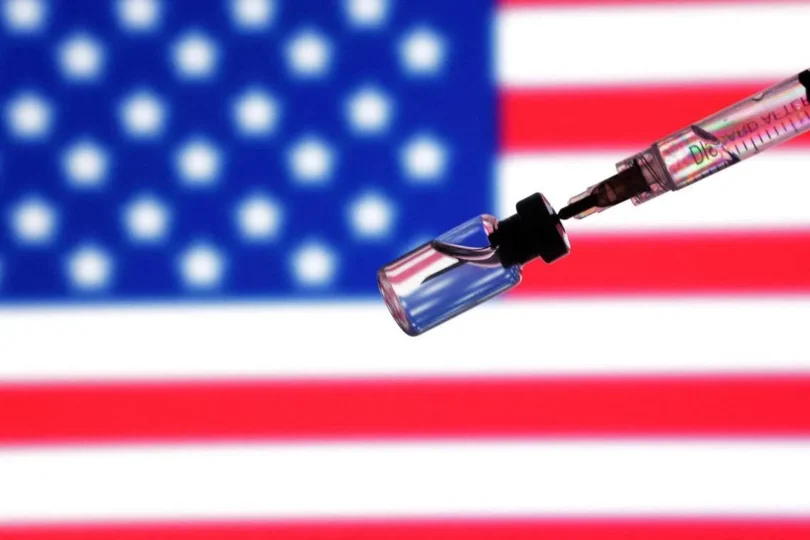
WASHINGTON – The Pentagon will no longer require troops to get annual flu vaccines, Defence Secretary Pete Hegseth said on April 21, calling the policy an “absurd, overreaching” mandate.
The vaccine will remain available to service members who want it, he said. “But we will not force you, because your body, your faith and your convictions are not negotiable,” Mr Hegseth added.
Members of the Trump administration have been critical of vaccinations. While he has changed his tone in recent weeks, Health Secretary Robert F. Kennedy Jr has a history of loudly questioning the safety and effectiveness of many standard vaccines.
Mr Hegseth’s move seemed to catch some Republicans in Congress off guard. “The reason it was mandatory was to enhance readiness,” said Senator Roger Wicker of Mississippi, the chair of the Senate Armed Services Committee.
“You know, you do give up certain rights when you take the oath,” said Mr Wicker, who is an Air Force veteran. “It’s just part of it.”
Senator Mike Rounds of South Dakota also was puzzled by the decision.
“It’s a proven vaccine,” said Mr Rounds, who also serves on the Armed Services Committee. “I personally would like to see it still in place.”
In 2025, the administration offered to reinstate troops who had been discharged for not taking the Covid-19 vaccine. Roughly 8,700 active duty and reserve troops voluntarily or involuntarily left the military after refusing to get vaccinated before the mandate was rescinded in 2023. As at summer 2025, 13 had been reinstated.
In March, Mr Hegseth extended the deadline to apply for reinstatement to April 1, 2027.
US military personnel are still required to get vaccinations for diseases including measles, mumps and polio. Others, such as the anthrax vaccine, might be required depending on risk and military occupation.
The flu vaccine requirement was put in place because medical professionals said it would reduce illness and improve the overall readiness of the force.
Mr Hegseth was dismissive of that perspective in a video posted on April 21. He said the new policy would pose “no threat” to the military’s preparedness. NYTIMES