
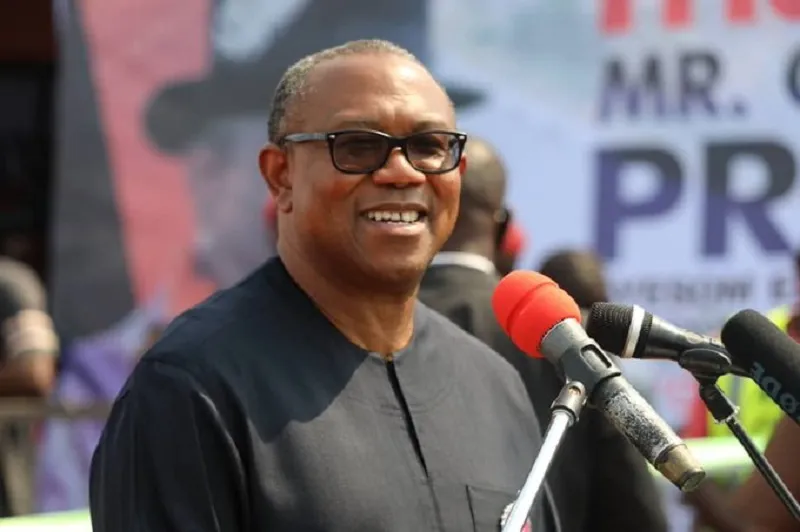
Mr Peter Obi, the presidential candidate of the Labour Party in the 2023 elections, has confirmed his exit from the African Democratic Congress (ADC), a few months after he joined the coalition group.
In a personally signed statement released on Sunday, Mr Obi said he decided to quit the opposition party after a deep reflection, describing the move as necessary despite “every constraint.”
“I woke up this morning after my church service with a deeply reflective heart… and felt compelled to share these thoughts,” he wrote, adding that many people do not understand the “silent pains” and private struggles faced by those trying to serve in Nigeria’s political space.
Mr Obi painted a grim picture of the current political climate, describing it as increasingly hostile and discouraging.
“We now live in an environment that has become increasingly toxic, where the very system that should protect and create opportunities… often works against the people,” he said, pointing to intimidation, insecurity, and persistent scrutiny as defining features of the system.
The former Anambra State governor also expressed disappointment over what he described as a lack of solidarity, even among close associates.
“Some who publicly identify with you privately distance themselves or join in unfair criticism,” he noted, lamenting that humility is often misinterpreted as weakness, while compassion is seen as foolishness.
Mr Obi, however, clarified that his decision was not driven by personal grievances against key leaders within the party. He specifically exonerated ADC National Chairman, Mr David Mark, and former Vice President, Mr Atiku Abubakar, saying neither treated him unfairly.
“Let me state clearly: my decision to leave the ADC is not because our highly respected Chairman treated me badly, nor because Atiku Abubakar, or any other respected leaders did anything personally wrong to me,” he said.
Instead, Mr Obi attributed his exit to what he described as a recurrence of the same challenges that plagued his time in the Labour Party, including internal divisions, legal battles, and external interference.
“The same Nigerian state and its agents that created unnecessary crises… now appear to be finding their way into the ADC, with endless court cases, internal battles, suspicion, and division,” he stated.
He further lamented that sincere contributions are often undervalued, with individuals becoming scapegoats for broader systemic failures.
“Even within spaces where one labours sincerely, one is sometimes treated like an outsider… as though honest contribution has become a favour being tolerated rather than appreciated,” Mr Obi added.
Despite stepping away, the former governor said he continues to face criticism and attacks on his character, even as he seeks to pursue national development with sincerity.
Reflecting on Nigeria’s broader challenges, Mr Obi questioned societal values that, according to him, often misinterpret integrity and prudent management of resources.
“Why is doing the right thing often misconstrued as wrongdoing in our country? Why is integrity not valued?” he asked.
Mr Obi added that he is eager to see a Nigeria that works for its citizens, reiterating that he is not desperate to be president, vice-president, or senate president.
“I am desperate to see a society that can console a mother whose child has been kidnapped or killed while going to school or work,” he said.
“I am desperate to see a Nigeria where people will not live in IDP camps but in their homes. I am desperate for a country where Nigerian citizens do not go to bed hungry, not knowing where their next meal will come from.”