
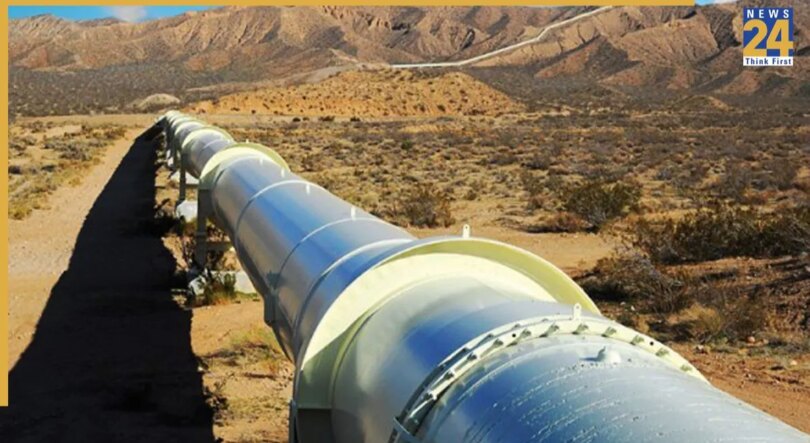
Rising crude oil prices and growing tensions in West Asia have increased concerns over India’s energy security. Fears of disruption around the Strait of Hormuz have added to the pressure, as India depends heavily on imported crude oil. Prime Minister Narendra Modi has already suggested fuel-saving measures such as work-from-home and virtual meetings. However, experts believe temporary measures alone may not be enough. With India importing nearly 85-90% of its crude oil needs, attention is once again shifting towards major pipeline projects that could reduce the country’s long-term dependence on expensive fuel imports.
Oman-India deepwater pipeline project

2 / 6
One of the most ambitious proposals is the Oman-India Deepwater Pipeline project. The proposed pipeline is expected to stretch nearly 1,600 kilometres from Ras Al Jifan in Oman to Porbandar in Gujarat. It is planned to run at a depth of around 3,500 metres under the sea. The biggest advantage of this project is that the gas supply would bypass land routes involving countries like Pakistan. Experts believe this could make the supply route safer during geopolitical tensions and reduce risks linked to piracy or war-related disruptions. Reports also suggest gas supplied through this route could be cheaper than imported LNG.
India-Sri Lanka fuel corridor

3 / 6
India is also working closely with Sri Lanka and the United Arab Emirates on another strategic fuel project. The proposed plan aims to connect Nagapattinam in Tamil Nadu with the Trincomalee Tank Farm in Sri Lanka. The Trincomalee port is considered strategically important and could emerge as a major regional fuel storage hub for India. Apart from strengthening ties with Sri Lanka, the project could also provide India with a nearby emergency fuel reserve during periods of crisis. UAE investment is expected to support both the technical and financial aspects of the project.
TAPI Pipeline still faces challenges

4 / 6
The Turkmenistan-Afghanistan-Pakistan-India (TAPI) pipeline remains one of the most talked-about energy projects in the region. The 1,814-kilometre pipeline is designed to bring natural gas from Turkmenistan to South Asia. Construction work in Afghanistan is reportedly progressing and is expected to reach Herat by the end of 2026.
Pakistan remains the biggest hurdle

5 / 6
However, political tensions between India and Pakistan continue to remain the biggest hurdle for the project. Despite the uncertainty, experts believe the pipeline could become an important source of energy for India if completed successfully.
Why these projects matter for India?

6 / 6
India’s growing fuel demand and rising import bill have made energy security a major concern for policymakers. Large pipeline and storage projects are now being seen as long-term solutions that could protect the country from future global oil shocks. While work-from-home and fuel-saving appeals may provide short-term relief, experts believe infrastructure projects like these could play a much bigger role in securing India’s energy future.
First published on: May 13, 2026 03:36 PM IST
Get Breaking News First and Latest Updates from India and around the world
on News24. Follow News24 on Facebook, Twitter.
End of Article
Sponsored Links by Taboola