
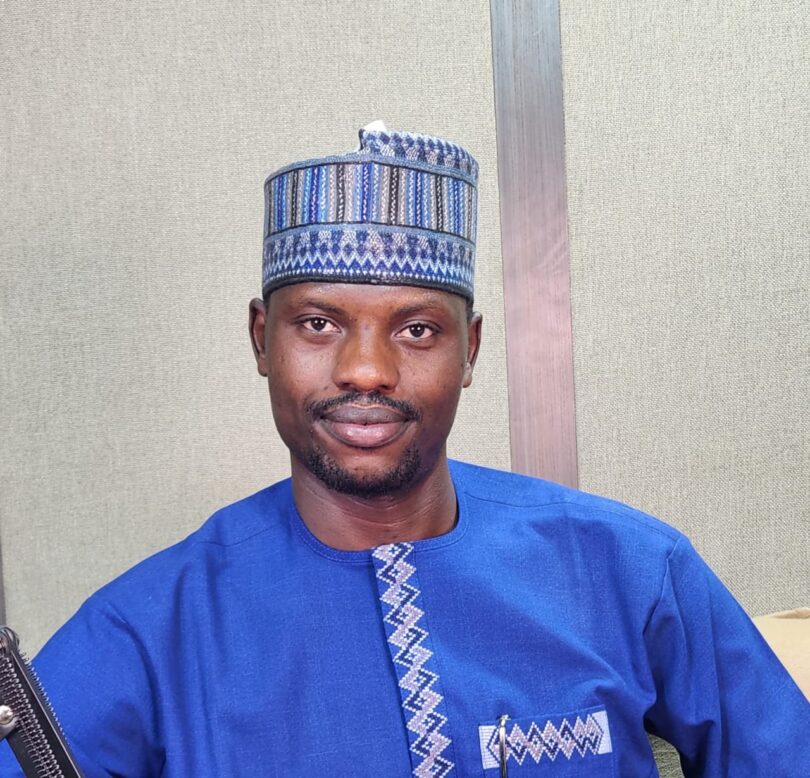
A growing wave of drug abuse among youth in Kano State is contributing to violent clashes, street crime, and social instability, a criminologist, Abdulmalik Shu’aibu, popularly known as Manash, has said.
Shu’aibu made this known during an interview with SolaceBase TV, where he linked the increasing involvement of young people in drugs to broader societal and family-related failures.
He explained that the situation has already manifested in recurring “fadan daba” — violent clashes between rival youth groups — in different parts of the state, noting that such confrontations are often fueled by substance abuse and peer influence.
According to him, “most of these young boys involved in fadan daba are under the influence of drugs, which affects their judgment and pushes them into violence they would ordinarily avoid.”
He further noted that beyond clashes, drug abuse has also contributed to a rise in petty and organized crimes, including phone snatching and street harassment.
Shu’aibu stressed that many of the youths engage in such acts to sustain their addiction.
Read Also:NAFDAC confiscates fake malaria drugs, cosmetics worth N3bn
The criminologist attributed the trend partly to poor parental upbringing, explaining that some parents have failed to instill discipline and moral values in their children.
He added that the erosion of communal responsibility, once a strong feature of Hausa society, has worsened the situation.
Shu’aibu lamented that, in the past, communities operated under a shared belief that “da na kowa ne,” meaning every child belonged to the society, not just the biological parents.
He said neighbors would correct, guide, and even discipline children as though they were their own.
“In those days, if a child misbehaved, any adult in the community could step in. Today, that sense of collective responsibility is fading, and it is affecting how young people are raised,” he said.
He also pointed to economic hardship, unemployment, and lack of access to education as contributing factors pushing youths toward drugs and crime.
Read Also:How Kano’s street ‘Doctors’ endanger lives through repackaged drugs
According to him, many young people, feeling neglected and without direction, find solace in substance abuse and criminal peer groups.
Shu’aibu warned that if urgent steps are not taken, the situation could escalate further, threatening public safety and community cohesion.
He called on parents, community leaders, and government authorities to work together to address the root causes, emphasizing the need for awareness, youth empowerment programs, and stricter control of drug distribution.
The criminologist concluded that restoring moral values and reviving the culture of collective upbringing could play a significant role in curbing the growing menace.