WASHINGTON, D.C.: A sharp rise in fuel costs pushed a key U.S. inflation measure to its highest level in nearly three years in March, underscoring the economic impact of the Iran war and complicating the Federal Reserve’s policy outlook.
The inflation gauge tracked by the Fed rose 0.7 percent in March from the previous month, a significant increase, the Commerce Department said on April 30. Compared with a year earlier, prices climbed 3.5 percent, marking the biggest annual rise in almost three years.
Core inflation, which excludes volatile food and energy prices, rose 0.3 percent in March and was 3.2 percent higher than a year ago, up from 3 percent in February.
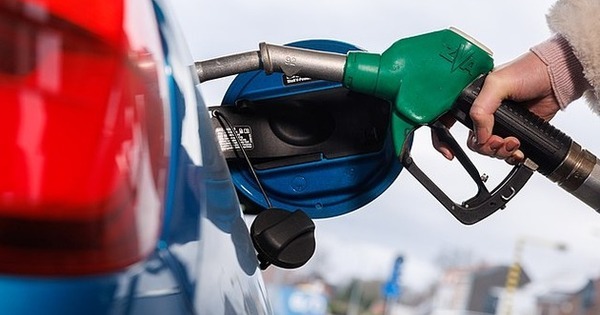
The surge in gasoline prices has played a major role in driving inflation further away from the Fed’s two percent target. Gas prices jumped nearly 21 percent in March alone, while the national average reached US$4.30 per gallon on April 30, according to AAA, compared with $2.98 before the conflict began. U.S. oil prices, though slightly lower on the day, remained above $105 a barrel, up from around $67 before the war.
The latest data reinforces expectations that the Fed will hold off on cutting interest rates. Outgoing Fed Chair Jerome Powell indicated this week that policymakers are likely to remain cautious as they assess the economic effects of the conflict.
“We’re very well aware that people are experiencing higher gas prices all over the country now,” Powell said on April 29. “And that hurts.”
Rising costs have also begun to outpace income growth. Americans’ incomes, including wages and government benefits, increased 0.6 percent in March, a solid gain but still below the pace of inflation for the second consecutive month.
Economists warn that the war has disrupted earlier expectations for stronger economic growth this year.
“A year that was set to benefit from tail winds associated with a large tax cut and boom in artificial intelligence-led investment has been partially derailed by the impact of what, as of today, is an adverse and growing supply shock caused by the war in Iran,” said Joe Brusuelas, chief economist at RSM. “Unfortunately, war and the supply shock that ensued have altered the probable growth path this year.”
Brusuelas now expects the economy to grow 1.7 percent in 2026, down from a previous forecast of 2.4 percent.
Despite the inflationary pressures, consumer spending remained strong. Spending rose 0.9 percent in March, with much of the increase reflecting higher prices, though Americans also boosted spending slightly in real terms, signaling resilience.
The broader economy grew at a two percent annual rate in the first quarter, improving from 0.5 percent in the final quarter of last year, though consumer spending growth slowed compared with late 2025.