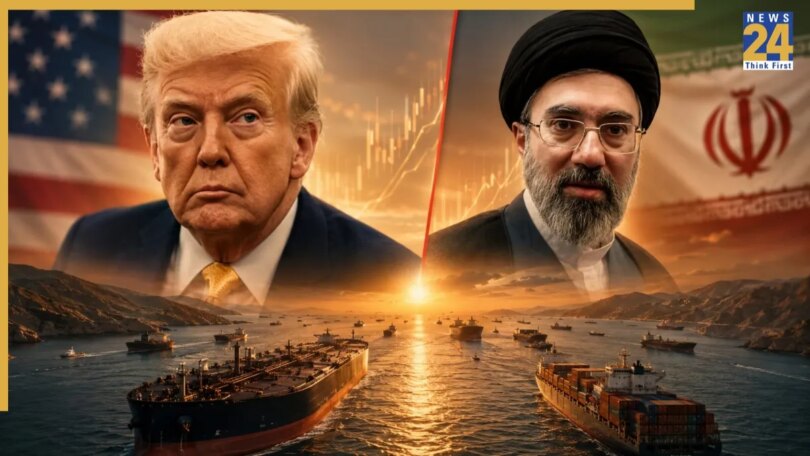
The United States of America has released the full text of a Memorandum of Understanding (MoU) signed with the Islamic Republic of Iran aimed at ending ongoing military conflict and setting a framework for long-term peace, nuclear controls, and economic cooperation. The agreement, titled the “Islamabad Memorandum of Understanding between the United States of America and the Islamic Republic of Iran,” has drawn global attention after criticism over earlier lack of transparency.
Officials say the deal also includes steps to manage Iran’s enriched uranium stockpile under international supervision, along with wider commitments covering sanctions, trade, and regional security.
What does the US–Iran MoU actually include?
According to the released 14-point document, both sides agree to immediately stop all military operations and avoid any future use of force against each other. The MoU also commits both countries to respect each other’s sovereignty and not interfere in internal affairs.
The agreement sets a 60-day timeline to negotiate a final peace deal, which can be extended if both sides agree.
How will Iran’s nuclear stockpile be managed?
A key part of the MoU focuses on Iran’s nuclear program. Iran confirms it will not develop nuclear weapons. Both sides have agreed to handle Iran’s enriched uranium through a process of “down-blending on site” under the supervision of the International Atomic Energy Agency.
Until a final deal is reached, Iran will maintain its current nuclear status, while the United States will not impose new sanctions or increase military presence in the region.
What economic and sanctions relief is included?
The MoU outlines major economic steps, including the gradual lifting of sanctions by the United States. This includes restrictions linked to banking, oil exports, insurance, and shipping. It also mentions possible access to frozen Iranian assets once implementation begins.
The document also refers to a potential reconstruction and development package worth at least 300 billion dollars for Iran, to be coordinated with regional partners.
Additionally, the agreement proposes monitoring mechanisms to ensure compliance and suggests that a final deal would be backed by a binding resolution of the United Nations Security Council. Officials say both sides will continue negotiations to finalize all terms within the next 60 days.
First published on: Jun 18, 2026 07:05 AM IST
Get Breaking News First and Latest Updates from India and around the world on News24. Follow News24 on Facebook, Twitter.
End of Article
Related Story