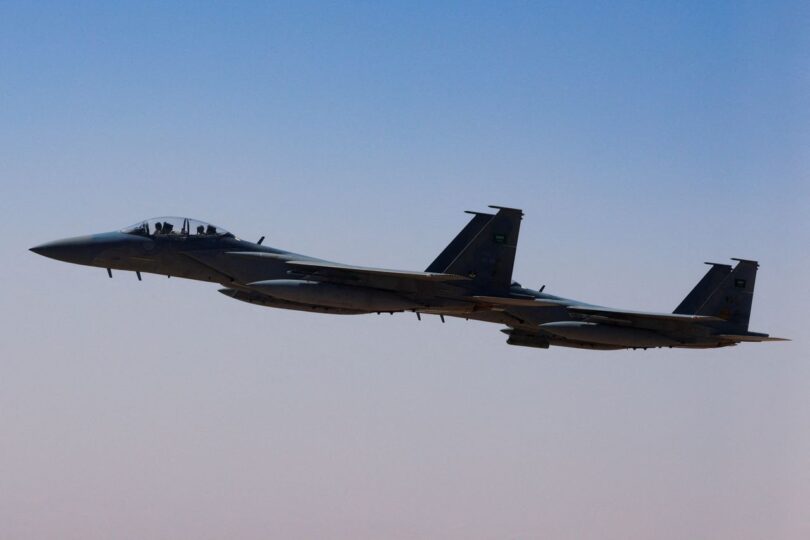
Saudi Arabia launched numerous, unpublicised strikes on Iran in retaliation for attacks carried out in the kingdom during the Middle East war, two Western officials briefed on the matter and two Iranian officials said.
The Saudi attacks, not previously reported, mark the first time that the kingdom is known to have directly carried out military action on Iranian soil and show it is becoming much bolder in defending itself against its main regional rival.
The attacks, launched by the Saudi Air Force, were assessed to have been carried out in late March, the two Western officials said. One said only that they were “tit-for-tat strikes in retaliation for when Saudi (Arabia) was hit.”
Reuters was unable to confirm what the specific targets were.
In response to a request for comment, a senior Saudi foreign ministry official did not address directly whether strikes had been carried out.
The Iranian foreign ministry did not respond to a request for comment.
Saudi Arabia, which has a deep military relationship with the United States, has traditionally relied on US military for protection, but the 10-week war has left the kingdom vulnerable to attacks that have pierced the US military umbrella.
Related
Gulf Arab states begin hitting back
The Saudi strikes underscore the widening of the conflict — and the extent to which a war that began when the US and Israel launched air strikes on Iran on February 28 has drawn in the broader Middle East in ways that have not been publicly acknowledged.
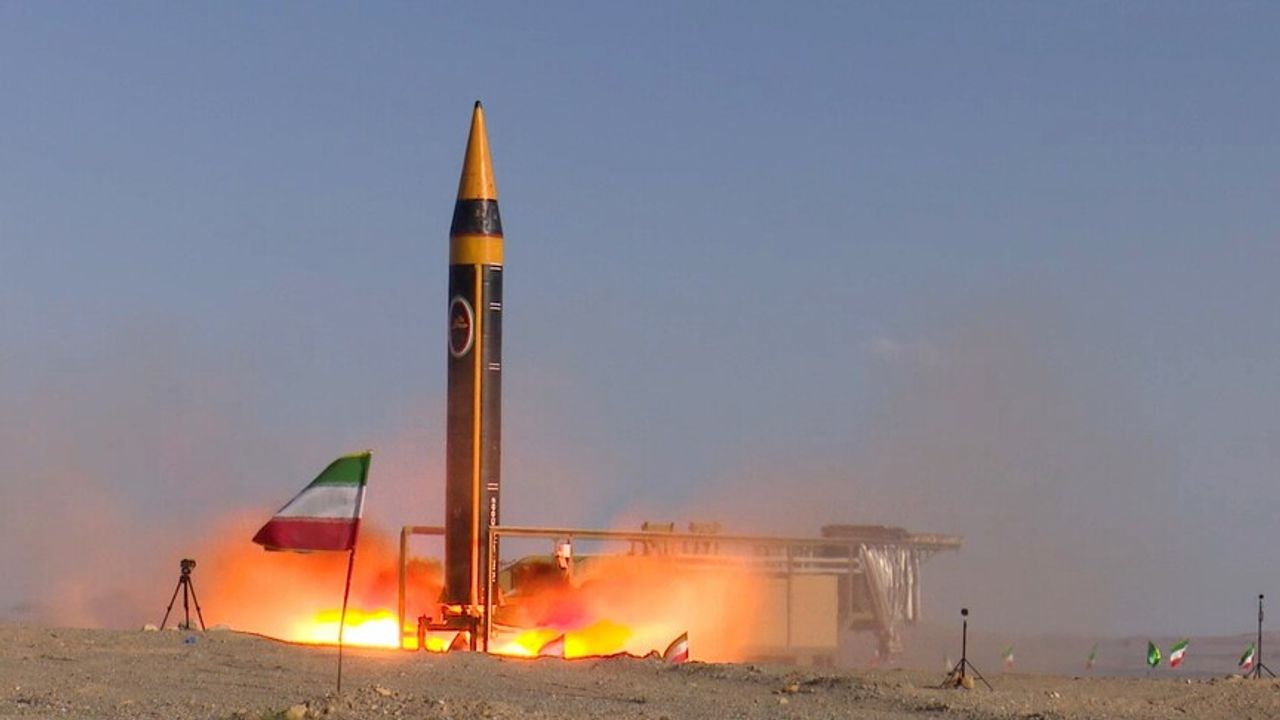
Since the US and Israeli strikes, Iran has hit all six Gulf Cooperation Council states with missiles and drones, attacking not only US military bases but civilian sites, airports and oil infrastructure, and closed the Strait of Hormuz, disrupting global trade.
The United Arab Emirates also carried out military strikes on Iran, the Wall Street Journal reported on Monday. Together, the Saudi and Emirati actions reveal a conflict whose true shape has remained largely hidden — one in which Gulf monarchies battered by Iranian attacks began hitting back.
But their approach has not been identical. The UAE has taken a more hawkish stance, seeking to extract a cost from Iran and engaging only rarely in public diplomacy with Tehran.
Saudi Arabia has meanwhile sought to prevent the conflict from escalating and has stayed in regular contact with Iran, including via Tehran’s ambassador in Riyadh. He did not respond to a request for comment.
The senior Saudi foreign ministry official did not directly address whether a de-escalation agreement had been struck with Iran, but said: “We reaffirm Saudi Arabia’s consistent position advocating de-escalation, self-restraint and the reduction of tensions in pursuit of the stability, security and prosperity of the region and its people.”
Related
Strikes, then de-escalation
The Iranian and Western officials said Saudi Arabia made Iran aware of the strikes and this was followed by intensive diplomatic engagement and Saudi warnings of further retaliation, which led to an understanding between the two countries to de-escalate.
Ali Vaez, the Iran Project Director at the International Crisis Group, said retaliatory Saudi strikes on Iran, followed by an understanding to de-escalate, would “show pragmatic recognition on both sides that uncontrolled escalation carries unacceptable costs.”