
By Kazeem Ugbodaga
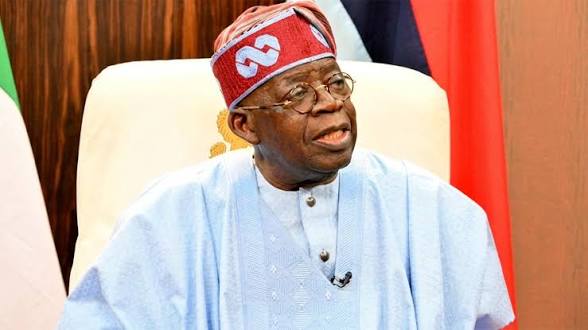
The Socio-Economic Rights and Accountability Project (SERAP) has called on President Bola Tinubu to urgently intervene in the controversy surrounding a recent directive issued by the National Broadcasting Commission (NBC), describing it as unlawful and a threat to press freedom.
In a letter dated April 18, 2026, and signed by its Deputy Director, Kolawole Oluwadare, SERAP urged the President to instruct the Minister of Information and National Orientation, Mohammed Idris Malagi, and the NBC to immediately withdraw the “Formal Notice” issued to broadcast stations.
The organisation warned that the directive could undermine journalists’ constitutional rights and restrict free expression.
SERAP argued that the NBC’s notice, which alleged rising breaches of the Nigeria Broadcasting Code and threatened sanctions against broadcasters, represents an attempt to impose prior censorship on the media.
It insisted that journalists must be allowed to perform their duties without undue interference, including expressing opinions, conducting analysis, and engaging in critical discourse.
The group noted that provisions of the Broadcasting Code cited by the NBC, particularly those restricting presenters from expressing personal opinions, are inconsistent with the 1999 Constitution and international human rights obligations.
It maintained that such blanket restrictions amount to impermissible prior restraint and fail to meet the standards of legality, necessity, and proportionality required in a democratic society.
SERAP further argued that the vague definitions of “professionalism,” “bullying,” and “intimidation” in the NBC’s directive create room for arbitrary enforcement, potentially stifling legitimate journalism.
According to the organisation, these provisions could discourage robust questioning and critical reporting, which are essential to democratic accountability.
The advocacy group also raised concerns about the classification of alleged infractions as “Class B breaches,” warning that the threat of sanctions, including fines or suspension, could create a chilling effect on broadcasters and weaken the media’s watchdog role.
Citing Section 39 of the Nigerian Constitution, as well as international frameworks such as the African Charter on Human and Peoples’ Rights and the International Covenant on Civil and Political Rights, SERAP stressed that the right to freedom of expression includes the ability to hold and share opinions without interference.
It warned that the directive could have far-reaching implications ahead of the 2027 general elections, limiting access to diverse viewpoints and undermining open political debate.
SERAP gave the Federal Government a 48-hour ultimatum to act on its demands, stating that it would pursue legal action in the public interest if the directive is not withdrawn.
The NBC had issued the notice on April 17, citing concerns over declining professionalism in news and political programming and warning that it would enforce strict compliance with the Broadcasting Code.
However, SERAP maintained that the measures are excessive and risk eroding democratic freedoms rather than strengthening media standards.