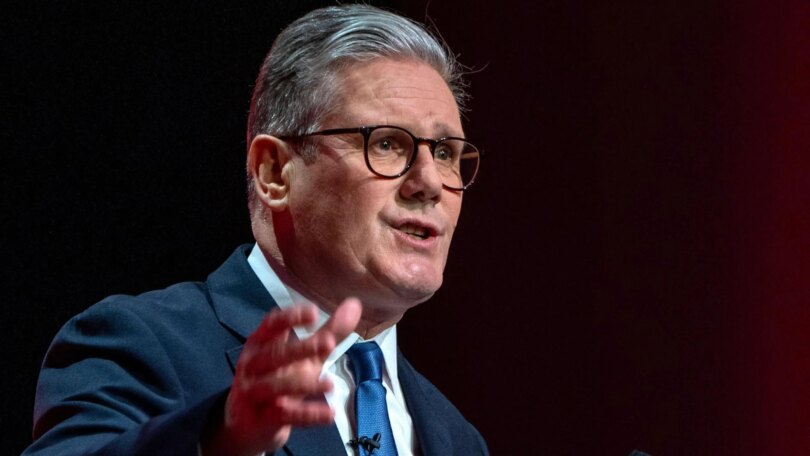
British Prime Minister and Labour Party leader, Keir Starmer, has announced his resignation, bringing an abrupt end to a turbulent premiership less than two years after leading Labour to a historic election victory.
In an emotional statement on Monday, Starmer said he had “heard the answer” from his party regarding whether he remained the right person to lead Labour into the next general election and was accepting that verdict “with good grace.”
His resignation follows weeks of intense pressure from Labour lawmakers and senior party figures after a series of electoral setbacks, declining public approval ratings and growing internal divisions over the direction of the government.
Starmer, who led Labour back to power with a landslide victory in the 2024 general election, had initially vowed to fight any challenge to his leadership. However, mounting calls for his departure intensified following Labour’s poor performance in local elections and a succession of high-profile resignations from his government.
Political analysts say the return of Andy Burnham to Westminster significantly altered the political landscape within Labour, with many MPs viewing him as the party’s best hope of reviving its fortunes ahead of the next national vote. Burnham is widely regarded as the frontrunner to succeed Starmer.
Announcing his departure, Starmer said he would remain in office on a caretaker basis until a new Labour leader and prime minister are chosen. The leadership contest is expected to begin in July, with a successor likely to be in place before Parliament returns after the summer recess.
His resignation marks another chapter in Britain’s recent political instability. Since the 2016 Brexit referendum, the United Kingdom has witnessed a rapid turnover of prime ministers, reflecting deep political and economic challenges confronting successive governments.
Despite his short tenure, Starmer’s premiership will be remembered for returning Labour to government after years in opposition. However, critics argue that policy reversals, internal party disputes and an inability to articulate a compelling long-term vision ultimately undermined his leadership and eroded support among both voters and party members.
The resignation now sets the stage for a crucial leadership battle that will determine the future direction of the Labour Party and the next phase of British politics.
Suggested headline:
** Starmer resigns as UK Prime Minister, Says He Accepts Labour’s Verdict ‘With Good Grace’**