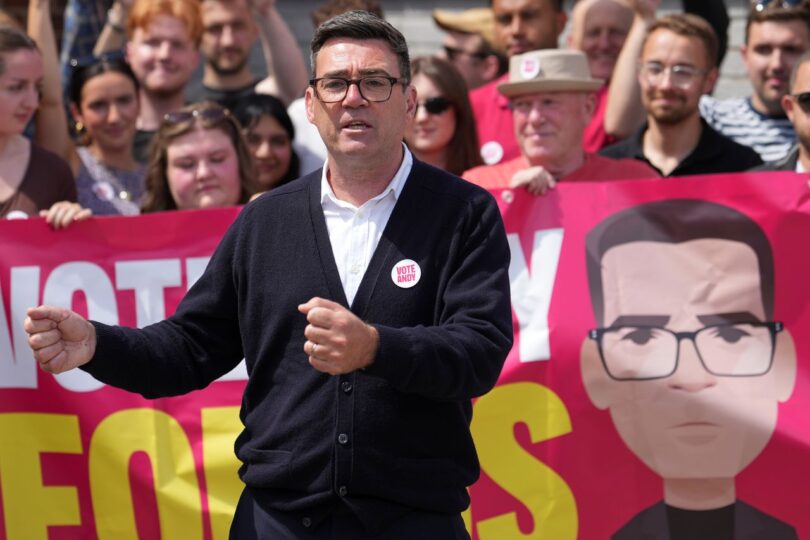
“This is what people said directly to me on the hundreds of doorsteps that I stood on, we must hear it, we must act upon it, and we must get it right.”
The result is also a blow for Reform UK’s Robert Kenyon, who hoped to seize the constituency from Labour.
Starmer says would stand in any leadership contest
Burnham, a career politician who has expressed support for the nationalisation of key public services and criticised what he called four decades of failed neoliberal economics, has said he would seek to replace Starmer and change politics.
Polls show Burnham, 56, is Labour’s most popular politician who would win a months-long leadership contest decided by party members, while some Labour lawmakers hope Starmer could be persuaded to hand over power to avoid a damaging contest.
Two years after winning a landslide national election, Starmer, 63, is one of the least popular British prime ministers since polling records began after scandals, policy U-turns, and accusations of indecision have derailed the delivery of the change he once promised.
About a quarter of Starmer’s lawmakers have called for him to quit since his party suffered heavy losses in local elections last month, while senior colleagues, including the defence and health minister, resigned in recent weeks over his leadership.
A defiant Starmer said this week he would stand in any leadership contest and issued a warning to his party about the potential “chaos” of a potentially bitter and divisive leadership election.
Another of Starmer’s main rivals, former health minister Wes Streeting, said this week he would force a contest soon unless the prime minister announced when he would stand down.
Under Labour rules, it would take 20 percent of the parliamentary party, or 81 lawmakers, to announce they were backing a single candidate to trigger a leadership challenge.