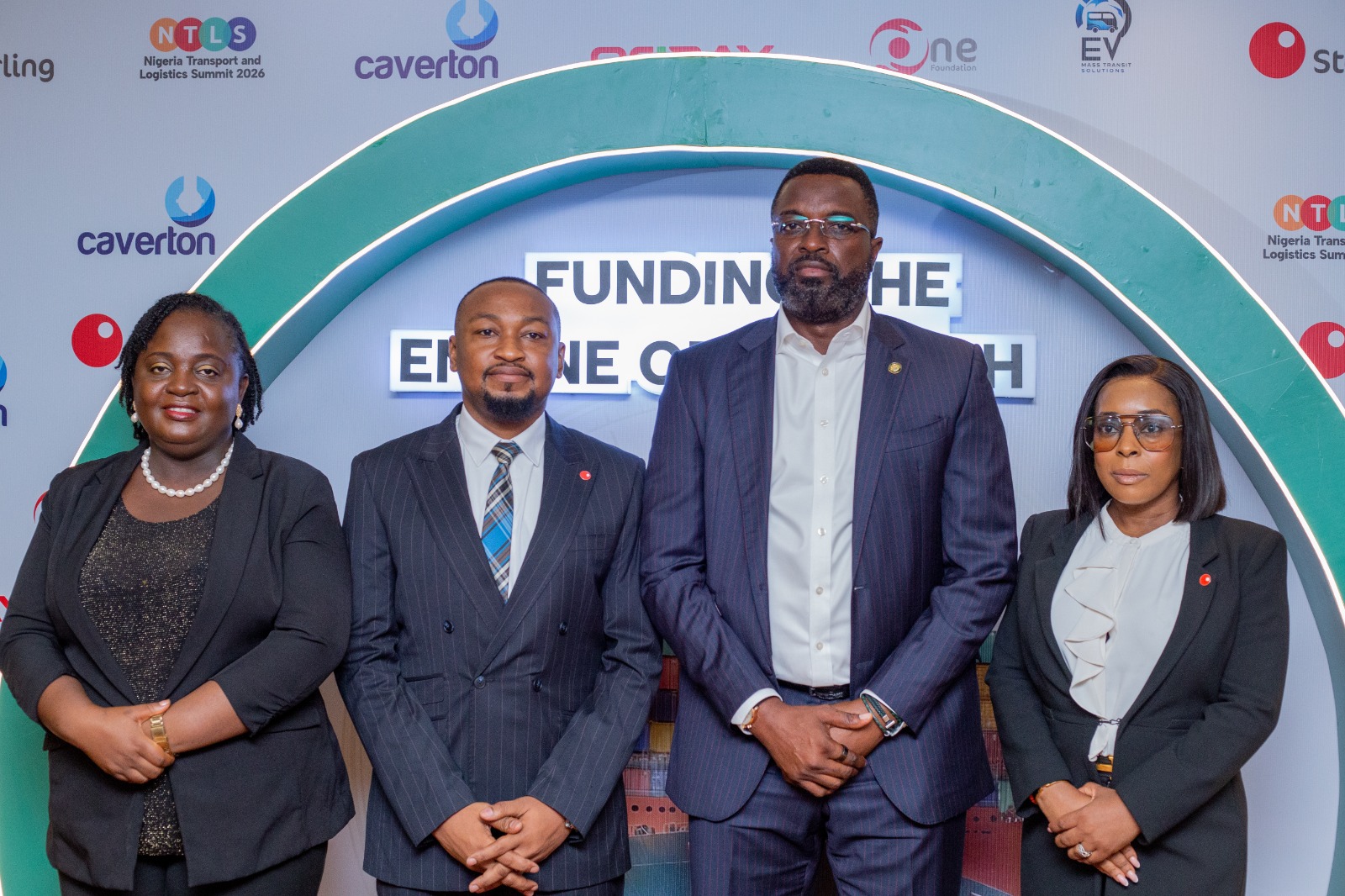
Held below the theme “Funding the Engine of Growth,” the summit positioned Nigeria’s transport and logistics sector as a essential however under-leveraged driver of productiveness, regional integration, and {economic} progress. Transport, mobility, and logistics collectively kind the spine of the Nigerian financial system, but persistent underinvestment, infrastructure deficits, and restricted entry to financing have lengthy constrained its potential.
Transport, mobility, and logistics collectively kind the spine of Nigeria’s financial system. While the logistics sub-sector alone contributes roughly ₦1 trillion to nationwide GDP, consultants estimate that the broader transport and logistics market exceeds ₦15 trillion in potential worth. Yet persistent infrastructure gaps, inefficiencies, financing constraints, and coverage fragmentation proceed to restrict the sector’s full impression.
NTLS 2026 introduced collectively senior authorities officers, regulators, infrastructure operators, buyers, growth companions, and personal sector leaders to handle essential priorities together with multimodal connectivity, airport and highway modernization, energy-efficient mobility, digital commerce facilitation, and modern financing frameworks.
Speaking on the summit, Sterling Bank’s Managing Director and CEO, Mr. Abubakar Suleiman, represented by Sterling One Foundation CEO, Mrs. Olapeju Ibekwe, known as for pressing, coordinated motion to repair the techniques that transfer Nigeria’s financial system ahead.
He emphasised that whereas Nigeria’s transport and logistics challenges, starting from port congestion to inefficient corridors and excessive working prices, are effectively documented the actual alternative lies in efficient execution.
“We must move beyond diagnosing the problem to building integrated, modern logistics systems that can power productivity at scale. This means fixing our ports, strengthening logistics corridors, improving road and rail connectivity, and embedding efficiency across the value chain.”
“Nigeria’s competitiveness, both regionally and globally will increasingly depend on how effectively we move goods, people, and services. The time for incremental change has passed; what is required now is bold, coordinated execution across public and private sectors,” Abubakar concluded.
Also talking on the occasion, the Divisional Head, Renewable Energy, Mobility and Tourism at Sterling Bank, Mr. Darlington Nwankwo, described logistics because the spine of commerce, trade, and nationwide competitiveness.
He famous that whereas the sector contributes just below 4 p.c to Nigeria’s GDP, estimated at roughly ₦15trillion, its true {economic} impression is considerably bigger when seen as an enabler of productiveness throughout agriculture, manufacturing, and commerce.
“We must be deliberate about fixing the logistics backbone of the economy if we are to unlock the growth we need. Nigeria’s trade competitiveness is directly linked to the efficiency of its logistics corridors, from ports to inland distribution networks.”
“At Sterling, we see our role as connecting capital to execution, designing financing solutions that do not just fund infrastructure but unlock entire value chains. This includes supporting multimodal transport systems, enabling cleaner mobility solutions, and partnering with both government and private sector players to reduce investment risk. The opportunity before us is not just to fix what is broken, but to build a logistics ecosystem that is faster, more efficient, and globally competitive.”
Lagos State Commissioner for Transportation, Mr. Oluwaseun Osiyemi, echoed the decision for daring concepts, strategic investments, and forward-looking insurance policies, describing the summit as an important platform to form the way forward for motion, commerce, and connectivity in Nigeria. He urged policymakers to maneuver swiftly from planning to implementation, known as on buyers to help infrastructure and innovation, and inspired trade leaders to champion effectivity, sustainability, and accountability.
In his keynote deal with, Professor Biodun Adedipe grounded these ambitions in arduous realities, noting that with practically 90 p.c of Nigeria’s logistics depending on highway transport, the nation faces mounting congestion and upkeep prices that demand diversification into rail and extra sturdy infrastructure. He cautioned that {economic} transformation requires persistence, with significant outcomes unlikely to materialise in below 18 months.