
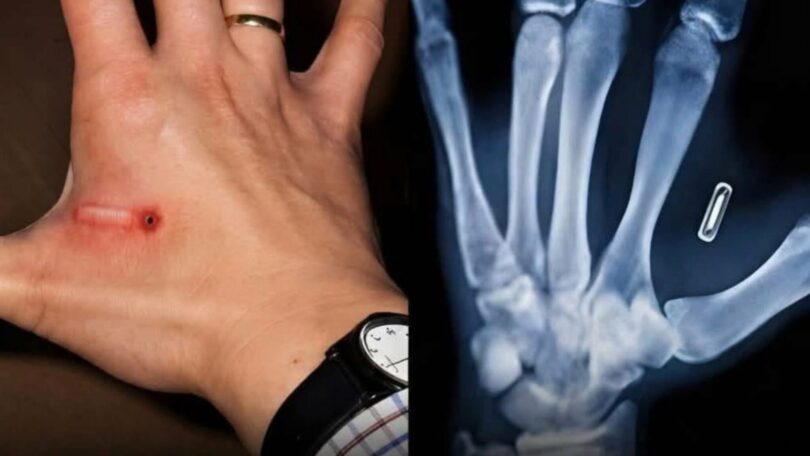
Thousands of people in Sweden have voluntarily implanted microchips under their skin, marking one of the most visible examples of human-technology integration in everyday life.
The rice-sized devices, usually inserted into the hand between the thumb and index finger, function as digital keys, identification tools and transit passes.
The trend, which has grown steadily over the past decade, reflects Sweden’s broader embrace of cashless systems and digital innovation.
The microchips rely on Near Field Communication technology, the same system used in contactless bank cards and mobile payments.
They contain no batteries and are only activated when placed very close to a reader. Users can unlock office doors, access gyms, validate train tickets and store basic personal information with a simple wave of the hand.
Adoption has been driven largely by tech enthusiasts, biohackers and members of the transhumanist movement, who view the implants as a practical upgrade rather than a medical device.
How the microchips are used
The implants are typically inserted during a short procedure similar to a vaccination and are marketed as a replacement for physical cards and keys.
Some employers and transport operators already support the technology, allowing chipped users to move through daily routines with fewer physical items.
Supporters argue that the system is efficient, difficult to lose and more secure than traditional cards.
Privacy concerns and earlier debates
Despite growing popularity, critics have raised concerns about privacy, data security and the long-term implications of embedding technology in the human body.
Similar debates emerged as far back as 2018, when Swedish media first reported widespread interest in implantable chips.
While there is currently no specific national law regulating the practice, experts continue to call for clearer oversight as adoption increases.