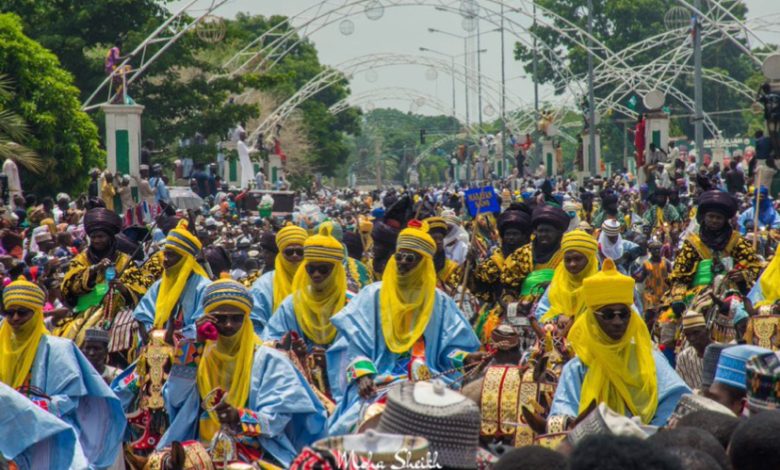
For centuries, the Sallah Durbar has stood as one of Kano’s most cherished cultural traditions, drawing thousands of spectators from across Nigeria and beyond. The colourful procession of horsemen, traditional title holders, palace officials, and community leaders has long symbolised the rich heritage of the ancient city.
Yet, in recent years, the familiar sights and sounds of the Durbar have been absent from Kano’s streets, leaving many residents with a sense of loss and nostalgia.
The suspension of the Sallah Durbar has created a significant gap in the cultural life of the state. For many families, the festival was more than a ceremonial event; it was a symbol of unity, history, and community pride. Local businesses, artisans, horse trainers, and tourism operators also depended on the annual celebrations for economic opportunities.
Read Also: Kano Emirs suspend Eid-el-Kabir durbar activities
Traditionally held during Eid-el-Fitr and Eid-el-Kabir celebrations, the Durbar showcases Kano’s centuries-old emirate system. Riders dressed in elaborate regalia parade before the Emir, demonstrating loyalty and preserving customs passed down through generations.
However, security concerns and the emirship dispute that emerged in Kano in recent years have repeatedly led authorities and traditional institutions to suspend the event. Officials have consistently argued that public safety must take precedence over cultural celebrations, especially during periods of heightened political and social tension.
The absence of the Durbar has been particularly noticeable among younger generations who have never had the opportunity to witness the spectacle firsthand. Many residents recall the excitement that accompanied the arrival of decorated horses, the beating of traditional drums, and the gathering of visitors from different parts of the country.
Cultural historians warn that prolonged interruptions could affect efforts to preserve and transmit aspects of Kano’s traditional heritage. They argue that while security remains paramount, finding sustainable ways to protect and promote cultural institutions is equally important.
Read Also: Emir Bayero suspends Sallah Durbar in Kano over security concerns
Despite the suspension, many Kano residents remain hopeful that the Durbar will return in full glory when conditions permit. Community leaders, cultural enthusiasts, and tourism stakeholders continue to express optimism that the festival’s revival will once again showcase Kano’s rich history and strengthen its poition as one of Nigeria’s foremost cultural destinations.
For now, the streets that once echoed with the thunder of hooves and the sounds of celebration remain quiet during Sallah festivities. But in the memories of Kano’s people, the Durbar endures—a treasured tradition waiting for the day when its drums will sound again.Possible headline options.