Former Super Eagles captain John Obi Mikel has criticised Nigerian football administrators and past government, revealing that a plot of land allegedly promised to him after Nigeria’s 2013 Africa Cup of Nations (AFCON) triumph has never been allocated.
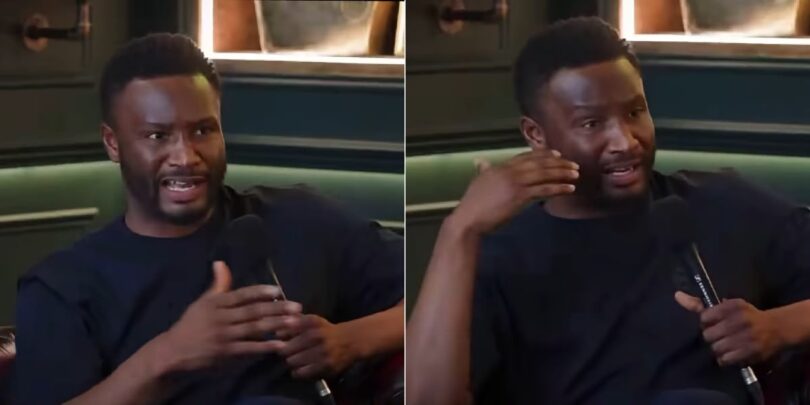
Speaking during a podcast hosted by former England striker Peter Crouch, Mikel said the experience contributed to his decision to reject invitations to work with the Nigeria Football Federation (NFF).
Mikel Speaks on Unfulfilled AFCON Reward
The former Chelsea midfielder recalled that after Nigeria won the 2013 AFCON in South Africa, the victorious squad was received by then-President Goodluck Jonathan.
According to Mikel, members of the team were promised plots of land in addition to cash rewards and national honours.
However, he claimed that more than a decade later, he still does not know the location of the land allegedly allocated to him.
“We got a nice reception. We got offered a massive plot of land each. The plot of land President Goodluck Jonathan gave me after we won AFCON… till today I still don’t know where it is, and these same people are calling me to come and work with the NFF,” he said.
Why I Turned Down NFF Offer – Mikel
Mikel explained that he has repeatedly declined offers to become involved in Nigerian football administration because he lacks confidence in the current system.
He argued that many officials remain in their positions for years without making meaningful progress, adding that some are more interested in maintaining power than developing the game.
“We don’t have people that know about football. They occupy their positions year after year, controlling everything. They are reluctant to relinquish their power because of the financial benefits that come with it. I have received calls to return and get involved, but I have declined. Those individuals need to go,” he added.
Calls for Football Reforms
The former midfielder maintained that Nigerian football can improve with proper leadership, accountability, and effective use of available resources.
His comments come amid ongoing public discussions about the administration of football in Nigeria, including concerns over unpaid salaries, player bonuses, and the overall management of the sport.
See below;
“The plot of land President Goodluck Jonathan gave me after we won AFCON… till today I still don’t know where it is 😭 and these same people are calling me to come and work with the NFF.”
— John Obi Mikel pic.twitter.com/S78TffZzOn
— carter🌚 (@carter6f) July 8, 2026