There is a cruel irony brewing at the southern tip of our continent. The very people who once clutched freedom songs in their fists, who bled for the right to walk through any door, have now turned around and slammed that same door on the faces of their African brothers and sisters.
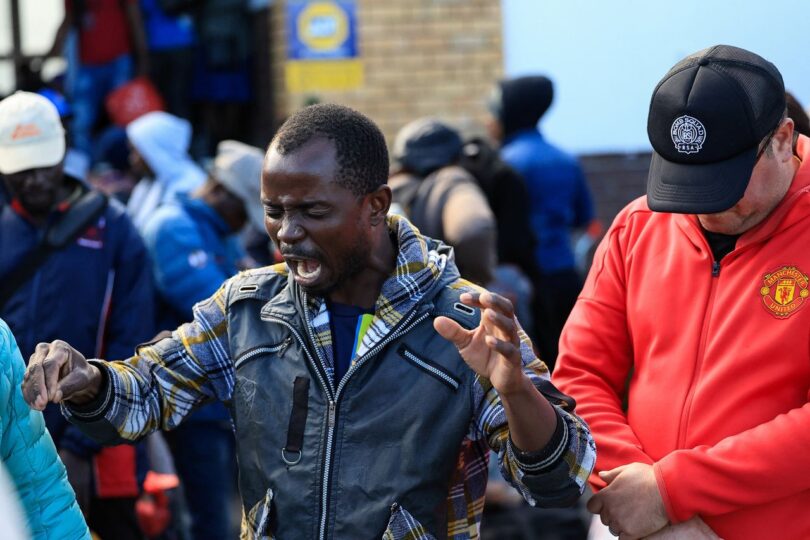
Once again, South Africa burns with xenophobic fury. Once again, our brothers and sisters from Malawi, Zimbabwe, Nigeria, Somalia, Ethiopia, Mozambique, and other African nations are being hunted in the streets of Johannesburg and Pretoria.
Their shops are looted. Their bodies are set alight. Their children run through alleys not chasing dreams, but fleeing death.
And the world watches
But here is what I want every African from Cairo to Cape Town, from Dakar to Dar es Salaam, to understand: This is not about South Africa. This is about us.
We have two choices. We can fold our arms, shake our heads, and say, “South Africans have been at it again, and they will never learn.”
That would be easy. It would also be lazy. The other choice, the harder, braver, more revolutionary choice, is to rise above the borders drawn by colonial rulers. To rise above the pain. To rise above revenge.
Related
We must show a unity so fierce that a few misguided criminals with machetes and matches cannot even slow us down.
Let me be clear: The perpetrators of xenophobic violence do not represent the millions of decent, struggling, beautiful South Africans who share their last loaf of bread with the migrant neighbour.
The enemy is not the South African people. The enemy is poverty, inequality, poor leadership, lack of education, and the lingering poison of a divide-and-rule system that pits Africans against each other.
But we cannot keep sending strongly worded statements while our brothers are buried in foreign soil.
So what do we do?
First, we trade with each other, or we perish. Intra-African trade stands at barely 15 percent of our total trade.
Compare that to Europe at nearly 70 percent. What a shame. The African Continental Free Trade Area (AfCFTA) is not just a policy document. It is our economic weapon.
Let us buy from Accra what we used to buy from London. Let us manufacture in Lusaka and sell in Nairobi.