
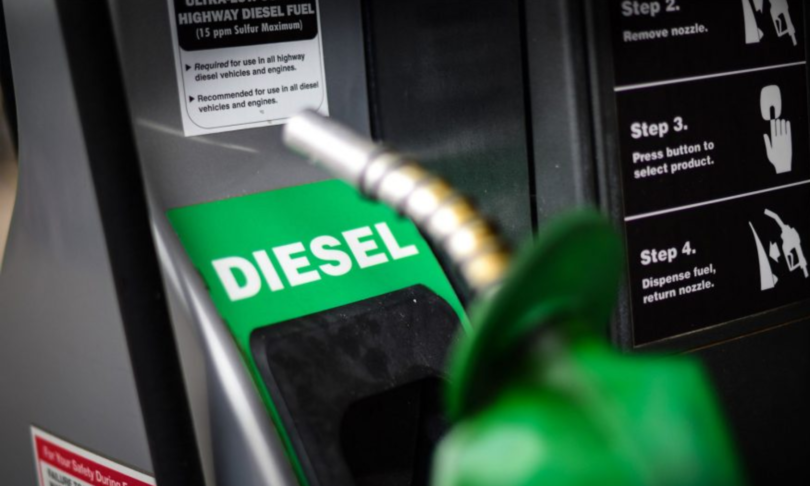
Diesel prices across Africa in April 2026 highlight a clear divide between oil-rich nations that maintain heavy subsidies and countries that remain exposed to global fuel market forces.
Based on the latest verified figures, the ten cheapest markets illustrate how far prices can diverge from the global average of about $1.60 per litre.
According to new data from Global Petrol Prices, the rankings reflect the continued influence of subsidy regimes, domestic refining capacity, and exchange rate dynamics across the continent.
In most cases, countries with abundant oil resources or strong state intervention are able to keep diesel prices significantly below international benchmarks.
The latest update also demonstrates the dominance of North African and oil-producing economies, where government price controls and energy subsidies play a central role in shielding consumers from global volatility.
These policies, while effective in the short term, often come with long-term fiscal implications.
At the same time, external factors are increasingly shaping domestic fuel pricing. Heightened geopolitical tensions around the Strait of Hormuz—a critical artery for global crude shipments—have added uncertainty to energy markets. Ongoing friction involving Iran, the United States, and Israel has amplified concerns over potential supply disruptions.
Because a significant share of the world’s oil flows through this corridor, any escalation in tensions can quickly translate into higher crude prices.
Historically, instability in the Middle East has triggered sharp spikes in global oil markets, influencing supply expectations, investor sentiment, and ultimately retail diesel prices in African economies and beyond.