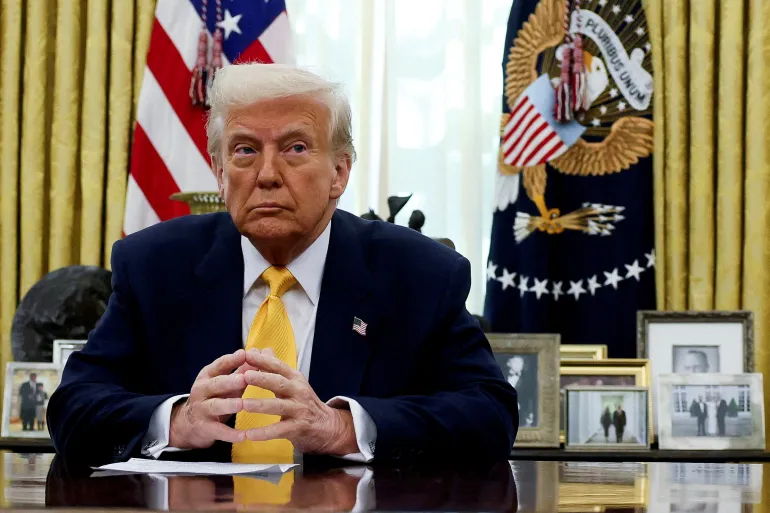
US President Donald Trump has announced the extension of the ceasefire with Iran, which was initially set for two weeks, until negotiations are concluded and a proposal from the Iranian government is submitted.
Trump made the announcement in a post on Truth Social on Tuesday.
He explained that the extension follows a request from Pakistan, which has been mediating the talks between the US and Iran.
Trump cited the fragmented state of the Iranian government as a key reason for the extension, stating that Pakistan’s leaders, including Field Marshal Asim Munir and Prime Minister Shehbaz Sharif, had asked for more time to finalize Iran’s unified proposal.
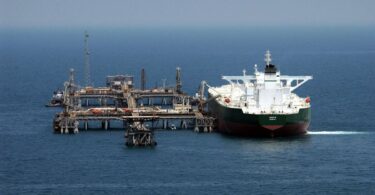
However, Trump made it clear that while the ceasefire is extended, the naval blockade of the Strait of Hormuz will continue, with US military forces maintaining their position to secure the waterway.
The ceasefire, which was first agreed upon on April 8, was brokered by Pakistan in response to rising tensions in the Middle East. The initial agreement aimed to reopen the strategically important Strait of Hormuz, a crucial global oil shipping route.
The ceasefire followed intense diplomatic efforts, supported by China, just hours before a US deadline for escalation.
While earlier talks in Islamabad failed to yield a lasting agreement, there is cautious optimism surrounding the continuation of diplomacy.
Oil markets have reacted to the developments, with both Brent crude and U.S. West Texas Intermediate prices showing slight movement, signaling cautious optimism over the continuation of talks.
As the ceasefire deadline approached, President Trump convened with his national security team to make a critical decision about the next steps.
The White House was concerned by the lack of communication from Iran, which had left many uncertainties about the effectiveness of ongoing negotiations.
Despite the US sending a list of broad deal points, the Iranian response remained unclear, prompting concern within the administration about the progress of the talks.
As US officials prepared for further talks scheduled for Wednesday, there were indications that divisions within Iran’s leadership might be complicating the negotiation process, particularly on contentious issues like uranium enrichment.
The situation in the Gulf, particularly regarding Iran’s control of the Strait of Hormuz, is being viewed by analysts as a key element of the ongoing geopolitical conflict.
The Gulf War has sparked intense debates, with many experts believing that while the US has struggled to secure a clear victory, Iran has emerged in a stronger position by maintaining control over the vital waterway.
As negotiations continue, the focus remains on Iran’s ability to reach a unified proposal and the US’s response to the ongoing challenges in the region.