After weeks of signaling optimism about a possible breakthrough with Tehran, US President Donald Trump has dramatically hardened his tone, warning that Iran will ?pay the price? for what he described as delaying negotiations over a potential agreement with Washington.
The statement came as tensions between the two countries escalated again following a fresh exchange of military strikes, even as diplomatic efforts continued behind the scenes to salvage talks.
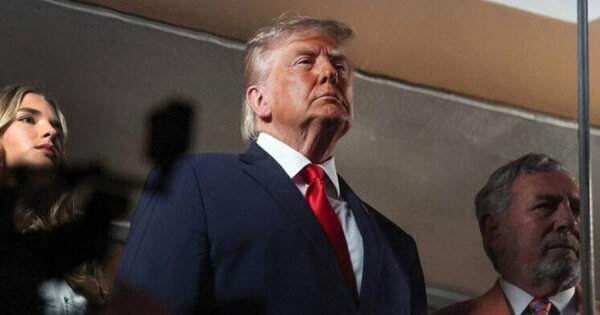
In a post on Truth Social, Trump accused Iran of dragging out the negotiating process and suggested that the opportunity for a favorable agreement may be slipping away. ?Iran is all talk and no action. The Bully of the Middle East is DEAD!!! They’ve taken too long to negotiate a deal that would have been great for them, now they will have to pay the price!!!? he wrote.
The US president did not explain what consequences he was referring to. His comments followed a new round of American strikes against Iranian targets after an Army Apache helicopter was reportedly brought down near the Strait of Hormuz.
US officials described the military response as a warning rather than an attempt to derail ongoing diplomacy. One American official indicated that Washington does not believe the latest military action will prevent future negotiations aimed at ending the conflict.
Trump’s remarks represent a notable shift from his position only days earlier. Throughout recent weeks, he repeatedly expressed confidence that an agreement was close, telling reporters less than two days before the latest escalation that a deal could be reached within ?two or three days.? At the time, he appeared reluctant to resume large-scale military operations, warning that renewed fighting could keep the Strait of Hormuz closed for an extended period.
?If we do the bombing, you know, a lot of people are going to be killed. Who wants to do that? I don’t,? Trump said earlier this week.
Despite the tougher rhetoric, diplomatic contacts remain active. According to sources familiar with the negotiations, a Qatari delegation arrived in Tehran on Wednesday in an effort to narrow the remaining differences between the United States and Iran and revive momentum toward an agreement.
The talks, however, remain stalled over several major issues. Among the most difficult points are disagreements regarding the future status of the Strait of Hormuz, Iran’s nuclear program, and financial demands made by Tehran. Iranian officials have indicated that any comprehensive settlement would likely require the release of approximately USD24 billion in Iranian assets currently frozen abroad.
Iranian authorities responded cautiously to the latest developments. Foreign Ministry spokesman Esmaeil Baghaei said Tehran is reassessing the future of negotiations following the recent US strikes. He accused both the United States and Israel of repeatedly violating the ceasefire that took effect on April 8 and argued that meaningful diplomacy cannot proceed independently of developments on the battlefield.
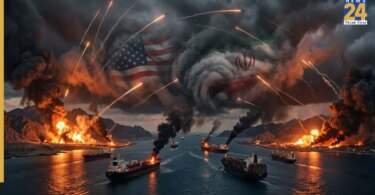
Meanwhile, the military confrontation continued to expand. Iran announced retaliatory attacks against American military facilities in Jordan and Kuwait after the United States carried out strikes in response to the downing of the helicopter. Video footage geolocated near a US military installation in Bahrain appeared to show a flash consistent with military activity in the area.
Inside Iran, explosions were reported at three strategic locations around the Strait of Hormuz. Iranian state media said the strikes damaged two water reservoirs, resulting in disruptions to local water supplies.
Although neither side has formally abandoned diplomacy, recent events have highlighted how fragile the negotiating process remains. The latest exchange of threats and military action has complicated efforts to reach a settlement, leaving the future of the talks uncertain despite continued mediation efforts by regional actors such as Qatar.
For now, negotiations remain deadlocked, military tensions remain elevated, and both Washington and Tehran appear to be balancing pressure tactics with a desire to keep diplomatic channels open.