The administration of President Bola Tinubu has received strong commendation from the United Kingdom, which says Nigeria’s ongoing economic recovery reflects the impact of bold reforms introduced by the government….
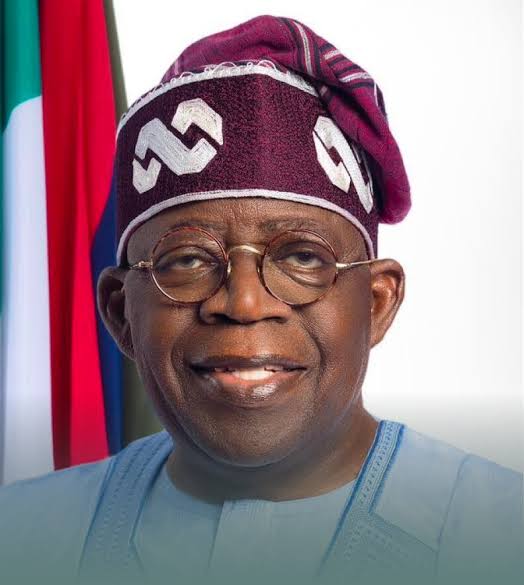
The administration of President Bola Tinubu has received strong commendation from the United Kingdom, which says Nigeria’s ongoing economic recovery reflects the impact of bold reforms introduced by the government.
Speaking at the 4th UK–Nigeria Security and Defence Partnership (SDP4) dialogue in Abuja, the UK National Security Adviser, Jonathan Powell, described Nigeria’s progress as a “success story” that could serve as a model for other countries.
Powell noted that while the reforms had required difficult decisions, they were already yielding measurable results in terms of economic growth and recovery.
“The economic reforms undertaken by the government have not been easy, but the remarkable progress Nigeria is making today demonstrates that difficult decisions can produce significant results,” he said.
He further described Nigeria as an “African superpower”, highlighting its growing influence and strategic importance on the continent and globally.
“For the United Kingdom, Nigeria is a vital partner – our foremost partner in Africa. Nigeria is an African superpower whose importance will continue to grow,” Powell added.
The UK official reaffirmed his country’s commitment to strengthening bilateral relations through what he termed a “mature and equal partnership”, built on shared strategic goals and practical outcomes.
Powell also praised Nigeria’s leadership role in Africa and commended its security services for their professionalism in tackling evolving threats, stressing that the country remains central to regional stability.
In his remarks, Nigeria’s National Security Adviser, Nuhu Ribadu, reiterated the Federal Government’s commitment to upholding human rights, the rule of law and democratic governance in addressing insecurity.
Ribadu warned that the future security landscape would increasingly be shaped by technology-driven threats, including cybercrime, artificial intelligence and illicit financial networks.
“Criminal and hostile actors are increasingly exploiting cyberspace, artificial intelligence and digital platforms to advance their objectives,” he said.
He emphasised the need for stronger international partnerships, enhanced intelligence-sharing and sustained investment in innovation to counter emerging risks.
Ribadu welcomed the UK’s continued support in cybersecurity and information resilience, noting that such cooperation is vital in an era where misinformation and digital threats can undermine public trust and national cohesion.
The NSA highlighted that since its launch in 2022, the UK–Nigeria Security and Defence Partnership has expanded into a broad strategic platform covering counterterrorism, cybersecurity, maritime security, crisis response and intelligence cooperation.
According to him, previous engagements have delivered tangible outcomes, strengthening Nigeria’s institutional capacity and operational effectiveness.
Ribadu reaffirmed Nigeria’s commitment to working with international partners to promote regional stability, democratic governance and collective security, describing the country as a leading security actor on the continent.
He added that the SDP4 dialogue provides an opportunity to consolidate existing gains and further deepen cooperation between both nations.UK Hails Tinubu’s Economic Reforms, Describes Nigeria as ‘African Superpower’
The administration of Bola Ahmed Tinubu has received strong commendation from the United Kingdom, which says Nigeria’s ongoing economic recovery reflects the impact of bold reforms introduced by the government.
Speaking at the 4th UK–Nigeria Security and Defence Partnership (SDP4) dialogue in Abuja, the UK National Security Adviser, Jonathan Powell, described Nigeria’s progress as a “success story” that could serve as a model for other countries.
Powell noted that while the reforms had required difficult decisions, they were already yielding measurable results in terms of economic growth and recovery.
“The economic reforms undertaken by the government have not been easy, but the remarkable progress Nigeria is making today demonstrates that difficult decisions can produce significant results,” he said.
He further described Nigeria as an “African superpower”, highlighting its growing influence and strategic importance on the continent and globally.
“For the United Kingdom, Nigeria is a vital partner – our foremost partner in Africa. Nigeria is an African superpower whose importance will continue to grow,” Powell added.
The UK official reaffirmed his country’s commitment to strengthening bilateral relations through what he termed a “mature and equal partnership”, built on shared strategic goals and practical outcomes.
Powell also praised Nigeria’s leadership role in Africa and commended its security services for their professionalism in tackling evolving threats, stressing that the country remains central to regional stability.
In his remarks, Nigeria’s National Security Adviser, Nuhu Ribadu, reiterated the Federal Government’s commitment to upholding human rights, the rule of law and democratic governance in addressing insecurity.
Ribadu warned that the future security landscape would increasingly be shaped by technology-driven threats, including cybercrime, artificial intelligence and illicit financial networks.
“Criminal and hostile actors are increasingly exploiting cyberspace, artificial intelligence and digital platforms to advance their objectives,” he said.
He emphasised the need for stronger international partnerships, enhanced intelligence-sharing and sustained investment in innovation to counter emerging risks.
Ribadu welcomed the UK’s continued support in cybersecurity and information resilience, noting that such cooperation is vital in an era where misinformation and digital threats can undermine public trust and national cohesion.
The NSA highlighted that since its launch in 2022, the UK–Nigeria Security and Defence Partnership has expanded into a broad strategic platform covering counterterrorism, cybersecurity, maritime security, crisis response and intelligence cooperation.
According to him, previous engagements have delivered tangible outcomes, strengthening Nigeria’s institutional capacity and operational effectiveness.
Ribadu reaffirmed Nigeria’s commitment to working with international partners to promote regional stability, democratic governance and collective security, describing the country as a leading security actor on the continent.
He added that the SDP4 dialogue provides an opportunity to consolidate existing gains and further deepen cooperation between both nations.