WASHINGTON – US Secretary of State Marco Rubio suggested Iran still wants to retain control of the Strait of Hormuz and cast that as unacceptable to the US, after President Donald Trump cancelled the latest round of negotiations with Tehran over the weekend.
Asked about a report that Tehran had made an offer to reopen Hormuz after the talks were scrapped, Mr Rubio told Fox News the US cannot tolerate Iran continuing to decide which vessels can sail through the strait or allow any Iranian tolls.
“If what they mean by opening the straits is, ‘yes, the straits are opened, as long as you coordinate with Iran, get our permission, or we will blow you up and you pay us,’ – that’s not opening the straits,” Mr Rubio said in a Fox News interview that aired on April 27.
“They cannot normalise – nor can we tolerate them trying to normalise – a system in which the Iranians decide who gets to use an international waterway and how much you have to pay them to use it.”
The comments come after Axios reported that Iran had given the US a new proposal to reopen the Strait of Hormuz and end the war in a deal that would postpone more complex negotiations over the country’s nuclear programme.
Mr Trump and other US officials have said Iran’s nuclear ambitions were the main reason the US and Israel launched a war against Tehran.
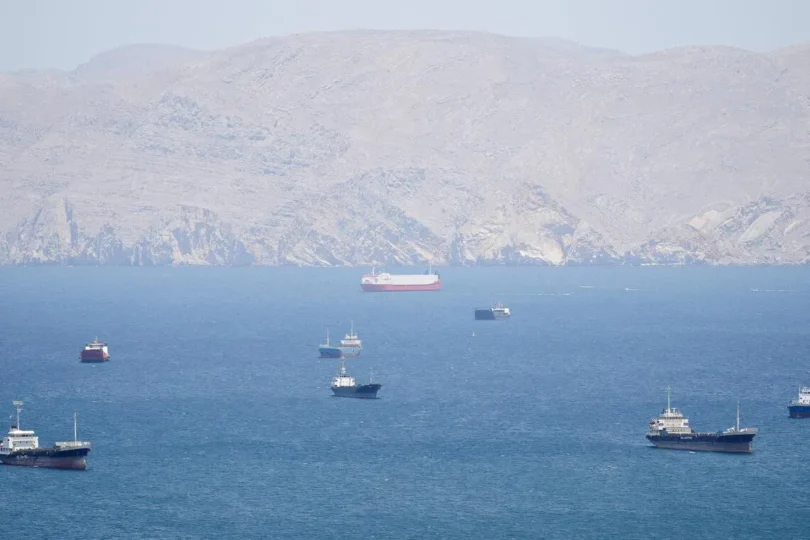
The Strait of Hormuz, which normally carries one-fifth of the world’s oil and liquefied natural gas exports, has been effectively closed since the US and Israel attacked Iran at the end of February.
While Iranian threats first closed the strait, the US is now also enforcing a naval blockade to prevent Iran-linked ships from navigating Hormuz.
While a ceasefire has mostly held since early April, the strait’s closure has caused global energy prices to soar.
The waterway, which was functioning normally before the war, has become one of the major sticking points in US-Iran negotiations mediated by Pakistan, with a previous round of talks in Islamabad ending without any deal.
While talks were expected over the weekend, Mr Trump told his son-in-law Jared Kushner and special envoy Steve Witkoff to skip another trip to Pakistan.
The unpopular war has become a political challenge for Mr Trump domestically – given the sharp rise in US gas prices – and it has also strained already-fraught ties with European nations, who have tried to avoid getting drawn into the conflict even as they deal with the energy crisis.
On April 27, German Chancellor Friedrich Merz said in unusually candid comments that the US was being “humiliated” by Iran’s leadership, which had proceeded “very skilfully” in talks.
At the United Nations Security Council on April 27, diplomats discussed the Strait of Hormuz in a dedicated session.
French Foreign Minister Jean-Noël Barrot said allowing tolls and bribery from Iran would set a dangerous precedent.
“Access to the seas would be a privilege reserved for the few,” he said, “Straits would become militarised corridors. Global trade would be taken hostage, and entire regions would become isolated. The world would be asphyxiated, subject to lawlessness and the law of the strongest.” BLOOMBERG