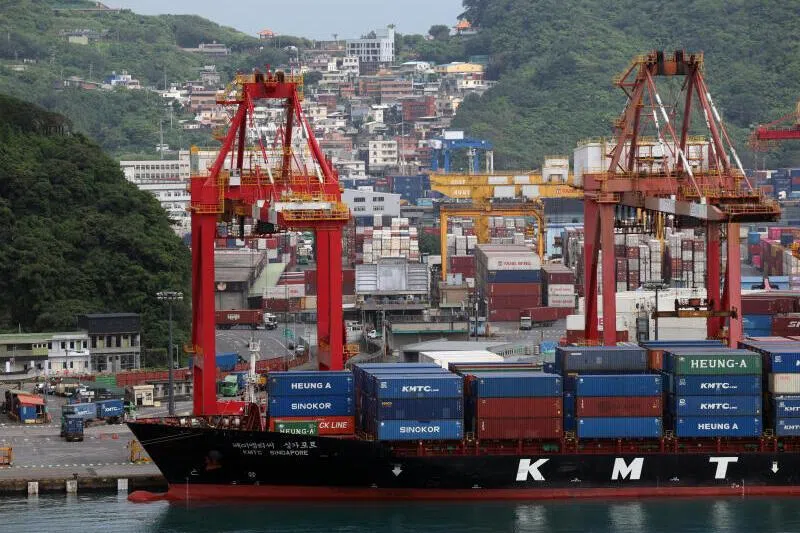
WASHINGTON – The Trump administration is removing some tariffs on imports from Taiwan to implement parts of a previously agreed trade deal with the US.
The US will remove derivative aluminium, steel and copper duties from aircraft components imported from Taiwan, according to a notice posted in the Federal Register.
Washington is also modifying sectoral levies on Taiwanese auto parts, timber, lumber and wood derivative products. The combined rate on applied goods will be capped at 15 per cent.
The tariffs addressed in the notice were imposed under Section 232 of the Trade Expansion Act of 1962, which allows the US to put in place levies if a determination is made that the imports threaten national security.
While the steps on May 27 are aimed at complying with the trade deal between the US and Taiwan, the move comes amid heightened tensions over the island democracy following a high-profile summit between US President Donald Trump and Chinese leader Xi Jinping earlier in May.
Mr Xi delivered a blunt warning to Mr Trump that relations between the world’s two largest economies could descend into conflict if they did not manage the issue of Taiwan properly.
Taiwan has long been a flashpoint between Washington and Beijing. China claims the democratically self-governed island as its territory.
Mr Trump is also weighing a potential US$14 billion (S$17.9 billion) arms sale to Taiwan and has suggested he could speak directly with Taiwanese President Lai Ching-te. Either the arms sale or a call would risk derailing US-China ties.
The island, home to Taiwan Semiconductor Manufacturing, is a major hub for the manufacture of advanced chips for smartphones and other devices, playing a crucial role in the supply chain for many US-based companies.
As part of the trade agreement, Taiwan committed to increasing investments in the US semiconductor supply chain. In a February reciprocal trade pact, Taiwan also agreed to open market access to a variety of US sectors, including industrial and agricultural exports. BLOOMBERG