Rosneft Chief Executive Igor Sechin said on Saturday that US energy companies were the main beneficiaries of the closure of the Strait of Hormuz and that Washington was trying to change the fundamental contours of the global energy markets to suit US interests.
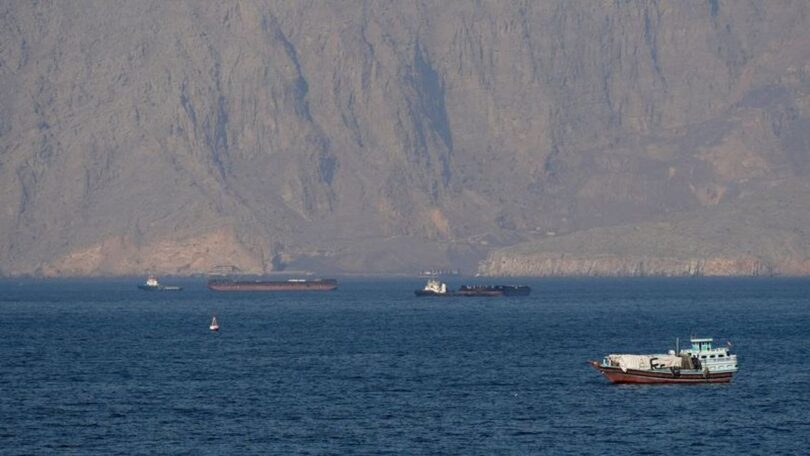
Iran blockaded the Strait, the main route for about a fifth of world oil supplies and other vital goods, including fertilisers, after the United States and Israel attacked Iran and killed Supreme Leader Ayatollah Ali Khamenei in February.
The US has blockaded Iranian ports.
The closure of the Strait has rattled global markets, sending oil prices to multi-year highs, stoking global inflation and undermining economic growth worldwide.
Speaking at the St. Petersburg International Economic Forum, Sechin, a long-standing ally of President Vladimir Putin, also said that the OPEC+ group of leading oil producers has lost some of its potential with the withdrawal of the United Arab Emirates from the alliance.
“The closure of the Strait of Hormuz is an attempt to reshape global energy market regulations to benefit the United States. The measures taken to block the strait were aimed at Iran, but backfired on the entire world. The strategic risks were underestimated,” Sechin said.
“The main beneficiaries, of course, were American companies, who gained non-competitive advantages and the ability to secure high-cost supplies,” he added.
He warned that following Strait of Hormuz closure, other major global routes, such as Malacca, Bad El Mandeb and Gibraltar straits could also be under the risk of disruption.