DOHA/DUBAI/WASHINGTON – Iran and the United States concluded a round of indirect talks on July 1 with no sign they had made headway towards a lasting peace, focusing instead on issues that they had supposedly resolved two weeks ago.
Sources said negotiators for the two countries spent two days in Doha discussing maritime traffic in the Strait of Hormuz and financial incentives for Iran, two pillars of the initial agreement they signed in June, rather than more difficult topics that framework was supposed to tee up.
In Washington, US President Donald Trump said the two sides were making progress on possible limits to Iran’s nuclear programme – the main reason he launched the war in February.
“The denuclearisation of Iran is moving along well,” he told reporters.
“They’ve had very good meetings, and we’ll see.”
But sources said the nuclear programme did not come up in the talks, which were technical in nature.
US Vice-President J.D. Vance said that would be addressed later. “Obviously, we’re worried about the nuclear issue, we’re going to start talking about that,” he told reporters.
The two sides did not meet face to face, instead interacting separately with mediators from Qatar and Pakistan.
Trump’s son-in-law, Jared Kushner, and top US envoy Steve Witkoff, dispatched to the region for what the White House had billed as “high-level” talks, did not attend the sessions, according to a source who spoke on condition of anonymity.
The leader of Iran’s delegation, deputy foreign minister Kazem Gharibabadi, said talks concluded. Neither side said whether they had managed to bridge their differences.
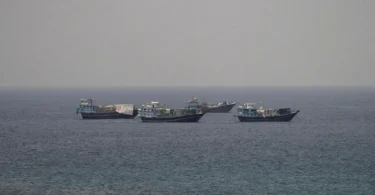
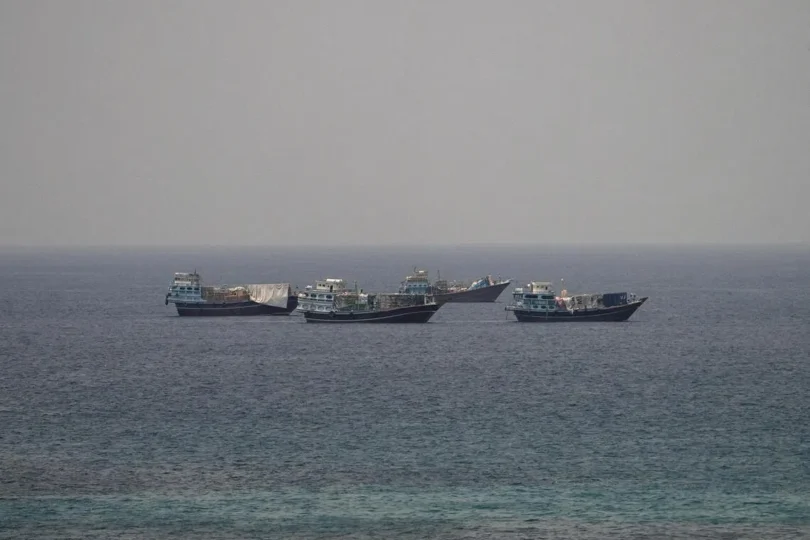
The initial deal calls for Iran and the US to allow shipping to resume through the Strait of Hormuz, which handled one-fifth of global oil and liquid natural gas before the war.
Though traffic has partially resumed, the status of the strategic waterway remains unclear and the two countries exchanged strikes last weekend following an Iranian attack on a cargo ship.
Iran is determined to win international recognition of its control over the strait even if it has to do so by force, two senior Iranian sources said, and has repeatedly said it will assess tolls on shipping starting in mid-August, after a toll-free period specified by the initial agreement expires.
Trump downplayed the possibility of a return to all-out war with Iran. “I think they’ve come a long way,” he said.
Oil prices fell to their lowest level in four months following Trump’s comments, and analysts cut their price forecasts for the first time since the war began.
Iran’s state media said on July 1 a foreign container ship had run aground in shallow waters outside the shipping route designated by Iranian authorities.
“Hormuz continues to reopen but it’s patchy, unpredictable, and not fully transparent,” said Vandana Hari, founder of oil market analysis provider Vanda Insights.
Several European countries have offered to help clear mines from the Strait, but Germany’s defence minister Boris Pistorius said he did not expect his country to participate, citing Iran’s unwillingness to cooperate with other countries. REUTERS