According to media reports, the United States has for decades observed the Six Assurances — a set of six foreign policy principles guiding US-Taiwan relations implemented in 1982 during President Ronald Reagan’s administration — with the second assurance stipulating that the US not consult with China on arms sales to Taiwan.
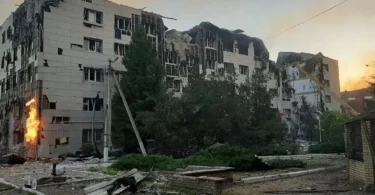
Despite Cao’s assurances that the US has enough munitions, reports indicate that the United States military has burned through thousands of missiles since the Iran war began on February 28, using nearly half of the long-range stealth cruise missiles in the Pentagon’s stockpile and depleting its reserves of Tomahawk cruise missiles, Patriot interceptor missiles, Precision Strike missiles and ATACMS ground-based missiles.
The White House is planning to ask Congress for a reported $80 billion to $100 billion in supplemental funding for the Iran war, with a significant amount of that meant to backfill costly and sophisticated weapons that have been exhausted over the course of fighting.
The only reprieve is that since April, the war has settled into a tense ceasefire, with significantly less use of munitions.
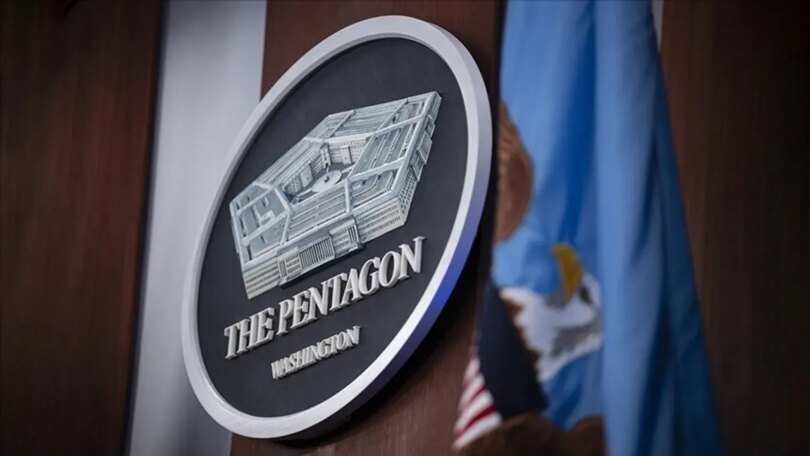
Hegseth has dismissed concerns of strained stockpiles, accusing the media and some lawmakers of overblowing the issue.
“First of all, the munitions issue has been foolishly and unhelpfully overstated,” he told lawmakers last week. “We know exactly what we have. We have plenty of what we need.”
In the midst of the Iran war, Taiwan has urged the Trump administration to continue the arms sales as a means to prevent military aggression from China.
“If we want to prevent a war from happening, I think it’s best that Taiwan is strong, able to defend itself, and therefore we should be able to acquire, to buy the arms that we need to have a stronger defense,” Taiwan’s representative to the US, Alexander Yui, said in a statement.
Related