“We’re certainly going to be watching these results, how these elections unfold, and how they’re executed. That’s something that I and the administration are going to be paying very close attention to.” — Congressman Riley Moore.
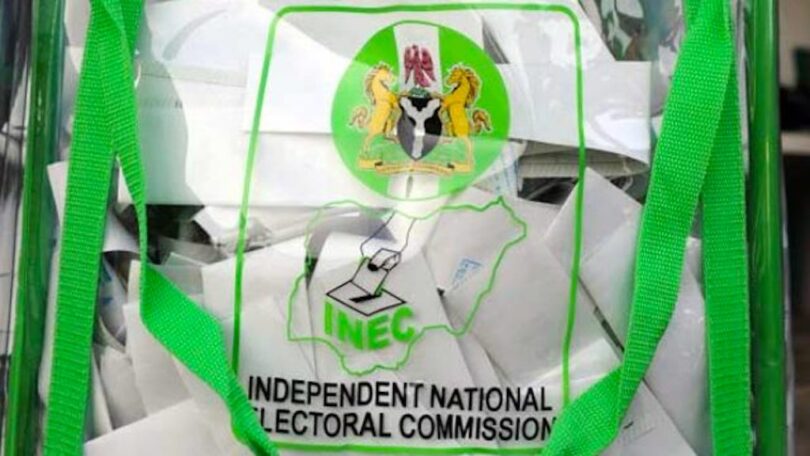
The United States has stated it will closely monitor Nigeria’s 2027 general election, with the administration of President Donald Trump expected to pay particular attention to the credibility and conduct of the electoral process.
The position was made known by Riley Moore, a Republican member of the US House of Representatives representing West Virginia’s Second Congressional District, who said both the White House and lawmakers in Congress would be observing how the elections are organised and concluded.
Speaking in an interview with NoireTV, a cable and streaming platform focused on African diaspora audiences, Mr Moore stressed that Nigeria’s electoral process would remain a key issue in Washington’s engagement with the country.
“We’re certainly going to be watching these results, how these elections unfold, and how they’re executed. That’s something that I and the administration are going to be paying very close attention to,” he said.
Beyond the elections, the lawmaker disclosed that the US Congress is currently considering an appropriations bill containing provisions that could significantly influence future relations between the two countries.
According to him, the proposed legislation includes measures addressing religious freedom in Nigeria, particularly the persecution of Christians, while also placing conditions on future American security assistance to the Nigerian government.
“We’re working on Chris Smith’s bill, which I’m a co-sponsor of. But more importantly, people need to pay attention to the appropriations bill before the House today. There’s a lot of language that I put in that bill relating to Nigeria, the persecution of Christians, restrictions on security assistance to the government of Nigeria, and steps that they have to take.
“That bill is likely to become law. If passed, it will contain binding provisions that will shape our relationship with Nigeria from now on,” Mr Moore said.
He added that discussions with the Trump administration on Nigeria would continue, revealing that he was scheduled to meet President Trump later that day to brief him on the issues further.
“I continue to work with the administration on the next steps that we’re going to take. I’m actually going to see President Trump tonight. I’ll be having dinner with him and some other members, so I continue to talk to him about these issues, and it’s very important to him,” he added.
Mr Moore is among the sponsors of the Nigeria Religious Freedom and Accountability Act of 2026, a bill introduced in February alongside Congressman Chris Smith.
If enacted, the legislation would require the US Secretary of State to regularly submit reports to Congress detailing efforts to address religious persecution and mass atrocities in Nigeria. It would also mandate periodic assessments of Nigeria’s compliance with international religious freedom standards, evaluate the impact of US security and humanitarian assistance, review sanctions where applicable, and examine measures taken by Nigerian authorities to protect vulnerable communities and prosecute those responsible for attacks.
The latest remarks come months after the US House Appropriations Committee approved provisions in its annual State Department funding bill seeking stricter oversight of American assistance to Nigeria.
Among the proposals is a requirement that 50 per cent of specified US foreign assistance to Nigeria be withheld until the American government certifies that Nigerian authorities are taking effective action to address religious violence, investigate attacks blamed on Fulani militia groups, and facilitate the safe return of internally displaced persons.
The appropriations measure, however, has not yet become law and must still secure approval from both chambers of the US Congress before it can take effect.