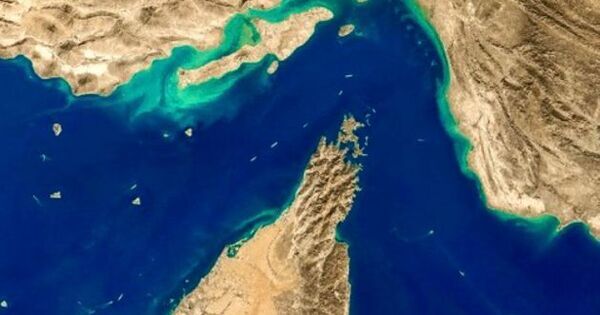
WASHINGTON, D.C./DUBAI/ISLAMABAD: With oil prices surging to their highest in more than four years, amid fears of longer-term disruptions to global fuel supplies, the U.S. wants other countries to form a coalition and restore freedom of navigation in the Strait of Hormuz.
Two months after the war began with U.S. and Israeli attacks on Iran, an important sea route is still closed, blocking about 20 percent of the world’s oil and gas supply. This has pushed energy prices much higher and raised fears of a global economic slowdown.
Attempts to end the conflict have stalled. The United States is trying to increase pressure by blocking Iran’s oil exports, which are a key part of its economy.
Since the start of the year, oil prices have more than doubled, reaching their highest level since March 2022. This is driving up inflation and making fuel more expensive around the world.
Iran said it would continue disrupting ships in the Strait as long as it feels threatened, which could lead to further supply disruptions. The conflict has already killed thousands.
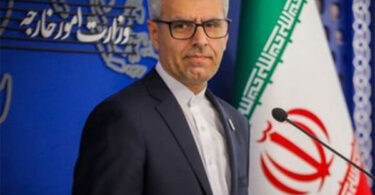
Tehran warned it could take “unprecedented military action” if the U.S. continues blocking its ships. Iran’s Supreme Leader said on April 30 that the country will defend its “nuclear and missile capabilities,” calling them an important national asset. His comments appear to set a firm position as U.S. President Donald Trump pushes for a broader agreement to strengthen the fragile three-week ceasefire.
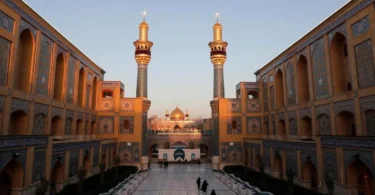
Ayatollah Mojtaba Khamenei has kept a strong and defiant stance since taking power after his father was killed in the early airstrikes of the war. In a written message read on state television, Khamenei, who has not appeared in public since becoming supreme leader, said Americans should not be in the Persian Gulf and instead belong “at the bottom of its waters.” He also said the region was entering a “new chapter” in its history.
His statement comes as Iran’s oil sector faces pressure from a U.S. Navy blockade that is stopping its oil tankers from leaving. At the same time, the global economy is also being affected because Iran continues to control the Strait of Hormuz, a key route that carries about one-fifth of the world’s oil. On April 30, Brent crude oil prices rose to as much as US$126 per barrel.
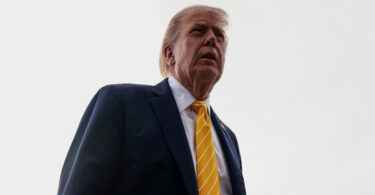
Trump also criticized Iran on social media, saying it should agree to a non-nuclear deal soon, though he did not explain what that deal would look like. His post included an aggressive image of himself with the caption “No more Mr. Nice Guy.”
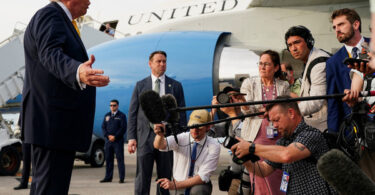
Trump also met with oil company executives to discuss managing global oil markets and, if needed, continuing the blockade while reducing the impact on American consumers.
As tensions rise, Pakistan is trying to prevent the situation from getting worse by passing messages between the U.S. and Iran.
Iran wants the U.S. to accept its right to enrich uranium for civilian purposes. It currently has a large stockpile of enriched uranium, which could potentially be used to make nuclear weapons if further processed.
The war is also hurting Iran’s economy. Its currency has dropped to a record low, and inflation has risen to nearly 66 percent.