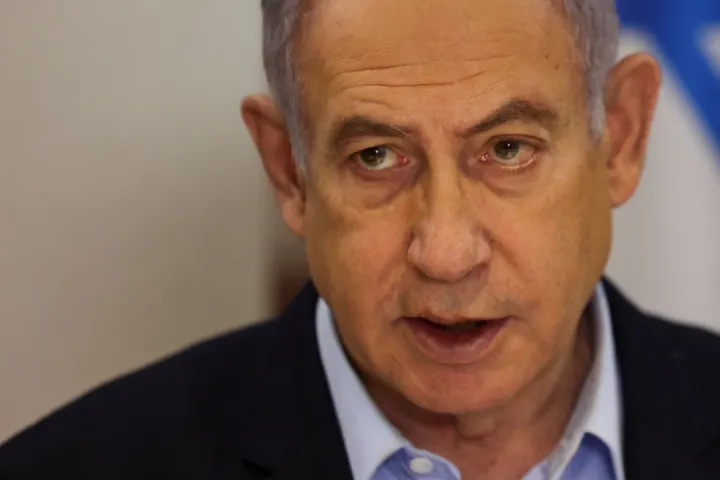
On Iran’s nuclear material, Netanyahu was blunt to the point of alarm. “You go in, and you take it out,” he told CBS when asked how enriched uranium would be removed from Iran, adding that Trump had told him “I want to go in there,” and that it could be done physically.
This fits a pattern of rhetoric that has defined Netanyahu’s approach to Iran since day one of the war.
On February 28, the first day of US and Israeli strikes on Iran, Netanyahu issued a statement to the Iranian people, urging them to take to the streets, vowing that the Islamic Republic’s days were numbered and that regime change was within reach.
“The tyrants will fall,” he declared. Months later, with the ceasefire holding precariously and US-Iran talks stalled, the regime has not fallen and Netanyahu’s promise of swift, clean victory has given way to open-ended ambiguity.
His refusal to give CBS any timetable for removing Iran’s nuclear material or ending the war is not caution, it is the sound of a man who oversold a war he cannot finish.
Related
Splitting Lebanon from the Iran deal
Netanyahu told CBS he flatly refuses to link any Iran ceasefire to a halt in Israeli operations against Hezbollah in Lebanon. “No,” he said when asked if he would accept a Lebanon ceasefire tied to an Iran deal, even if Trump requested it, adding that Iran wants Hezbollah to remain in place “to continue to torture Lebanon.”
What Netanyahu omitted is that several members of his own far-right coalition have publicly called for Israel to permanently annex parts of southern Lebanon.
Finance Minister Bezalel Smotrich and National Security Minister Itamar Ben Gvir, both of whom Netanyahu depends on for his coalition’s survival, have repeatedly framed Israeli military operations in Lebanon not as temporary security measures but as the first step toward expanding Israeli lands.
Blaming social media for Israeli crimes in Gaza
On Israel’s damaged global image, Netanyahu was defiant and deflective in equal measure. He said, “We have seen the deterioration of the support for Israel in the United States almost — I would say, it correlates almost 100% with the geometric rise of social media.” He attributed Israel’s collapsing ratings to foreign manipulation of platforms rather than Israeli brutal military conduct in Gaza.
This is not a new argument. It is a long-running Israeli government strategy. Netanyahu has repeatedly identified TikTok and X as an existential threat to Israel’s image, lobbying Washington to ban the platform and pressing social media companies to suppress pro-Palestinian content.
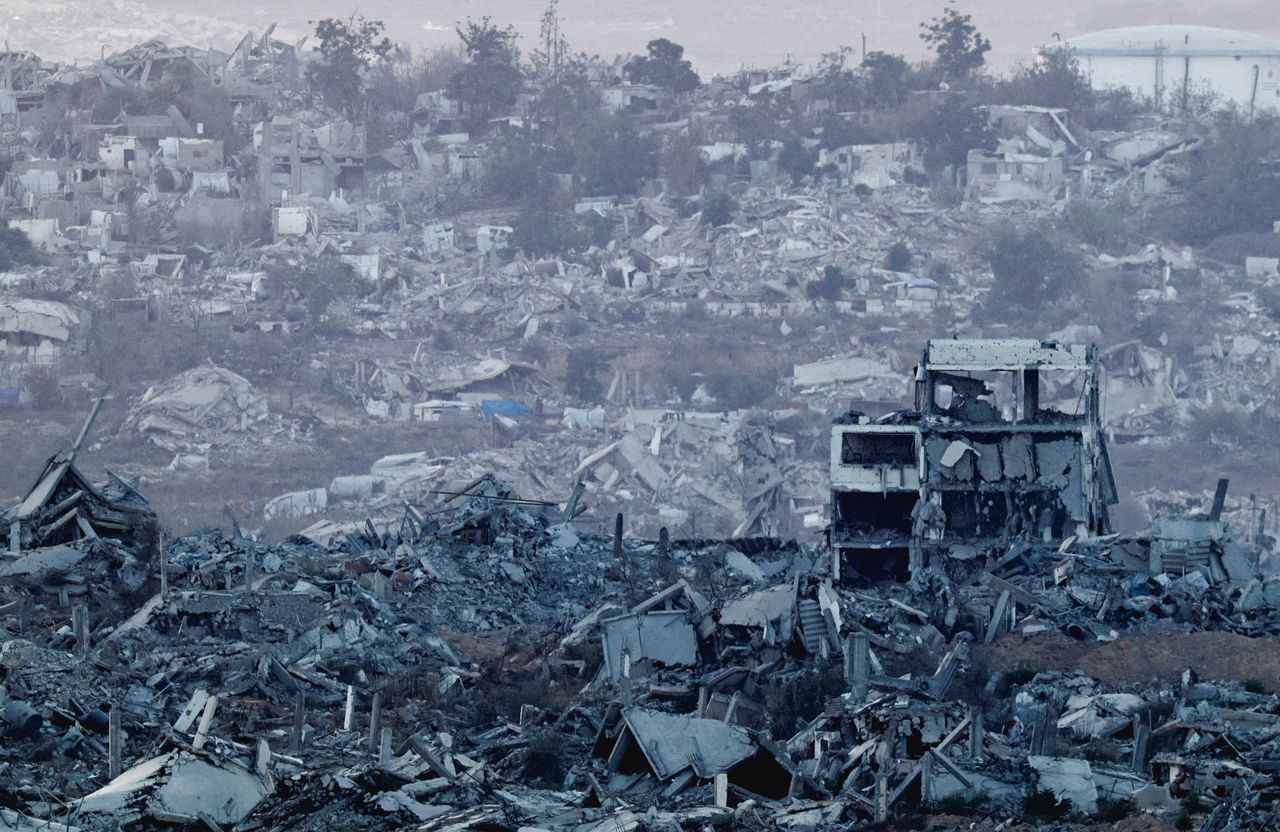
His government’s own digital warfare units have been documented running coordinated campaigns to flood platforms with pro-Israel narratives. Yet with more than 72,000 Palestinians killed in the Israeli brutal war in Gaza, the majority civilians, and with the International Criminal Court having issued arrest warrants against Netanyahu personally for war crimes, blaming social media manipulation for Israel’s collapsing image is perhaps his most audacious rebranding of all.
Related