
1 / 6
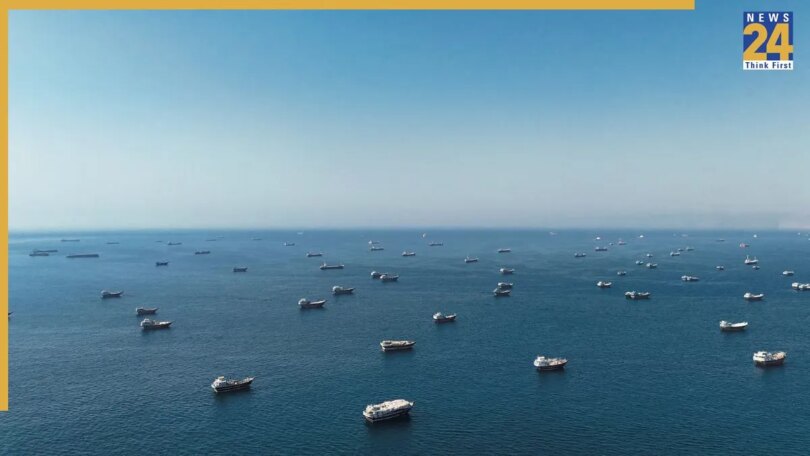
The Strait of Hormuz is one of the world’s most important strategic waterways. It connects the Persian Gulf with international markets and serves as a key route for the export of crude oil and liquefied natural gas (LNG). A significant portion of global energy supplies passes through this narrow channel, making it vital to the world economy.
Critical route for global energy trade

2 / 6
The Strait of Hormuz acts as a major transit corridor for oil-producing countries in the Gulf region. Around 20% to 30% of the world’s crude oil shipments move through this route. Any disruption can quickly affect global energy supplies, while stability in the region helps strengthen economic growth and market confidence worldwide.
Impact on global oil prices

3 / 6
If the Strait of Hormuz remains fully open and secure, crude oil prices are likely to decline. With the risk of supply disruptions reduced, confidence in energy markets would improve and risk premiums would fall. Lower oil prices would help countries and businesses around the world reduce their energy costs.
Better supply chains and lower shipping costs

4 / 6
Reduced tensions in the Gulf region would allow oil and gas exports to move without interruption. This would help stabilise global supply chains and reduce delays in energy shipments. At the same time, shipping companies would benefit from lower insurance premiums and operating costs, making international trade more affordable.
Positive impact on global markets

5 / 6
Financial markets generally respond positively to lower energy prices and reduced geopolitical risks. A stable Strait of Hormuz would be seen as a sign of economic certainty, potentially boosting investor confidence and supporting gains in major stock markets around the world.
How India could benefit

6 / 6
India imports nearly 85% of its crude oil requirements, with a large share arriving through the Strait of Hormuz from Gulf countries. Lower global oil prices would reduce India’s import bill, ease pressure on government finances, and help conserve foreign exchange reserves. Cheaper crude could also lead to lower fuel costs, reducing transportation expenses and helping keep prices of essential goods such as food and daily-use items under control.