
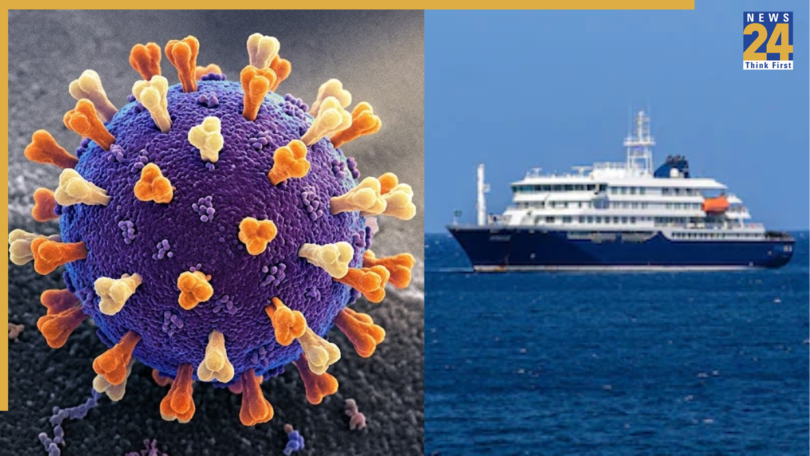
A health emergency on board the MV Hondius has caused panic after several passengers developed a serious respiratory illness during a voyage across the Atlantic Ocean. The World Health Organization said on Sunday that at least three people have died in a suspected hantavirus outbreak. The ship was travelling from Ushuaia to Cape Verde.
What Did WHO Say About the Cases?
The WHO confirmed that one patient has tested positive for hantavirus, while five more suspected cases are being investigated. “To date, one case of hantavirus infection has been laboratory confirmed, and there are five additional suspected cases,” the organization said.
“Of the six affected individuals, three have died and one is currently in intensive care in South Africa.” South African health authorities initially described the situation as a severe respiratory illness after critically ill passengers were evacuated to Johannesburg for treatment.
Details of the Cases
One of the first victims was a 70-year-old passenger who fell ill during the journey and later died on the ship. His body remained on Saint Helena, according to health spokesperson Foster Mohale. His 69-year-old wife also became sick during the trip. She was airlifted to Johannesburg but later died in hospital.
What Is Hantavirus?
The WHO said hantavirus infections are usually linked to contact with infected rodents, not cruise travel. Hantavirus infections are typically linked to environmental exposure (exposure to infected rodents’ urine or faeces).
“While rare, hantavirus may spread between people, and can lead to severe respiratory illness and requires careful patient monitoring, support, and response.”
The WHO is working with government authorities and the ship’s operators to manage the situation and arrange further medical evacuations.
Types of Hantavirus Diseases
- Hantavirus Pulmonary Syndrome (HPS): A serious lung disease, mostly seen in North and South America
- Hemorrhagic Fever with Renal Syndrome (HFRS): A disease that affects the kidneys and can cause bleeding
How It Spreads
Hantavirus usually does not spread from person to person.
People are mainly infected through contact with infected rodents, such as:
- Breathing in virus particles from rodent urine, droppings, or saliva (most common)
- Touching contaminated surfaces and then touching the face
- Being bitten by an infected rodent (rare)
- Eating or drinking contaminated food or water (rare)
The virus can become airborne when dried rodent waste is disturbed.
Who is at Higher Risk?
Some groups are more likely to be exposed to hantavirus:
- People living or working in areas where rodents are common
- Agricultural and farm workers
- Travellers visiting rural or wildlife regions
- Individuals staying in closed or poorly maintained spaces
In the cruise case, experts believe exposure may have happened before boarding or through a contaminated environment on the ship.
How to Protect Yourself
The overall risk to the public is low, but simple steps can help reduce exposure:
- Avoid contact with rodents and their droppings
- Keep surroundings clean and maintain good hygiene
- Wear protective gear while cleaning areas that may be contaminated
- Store food properly to prevent attracting rodents