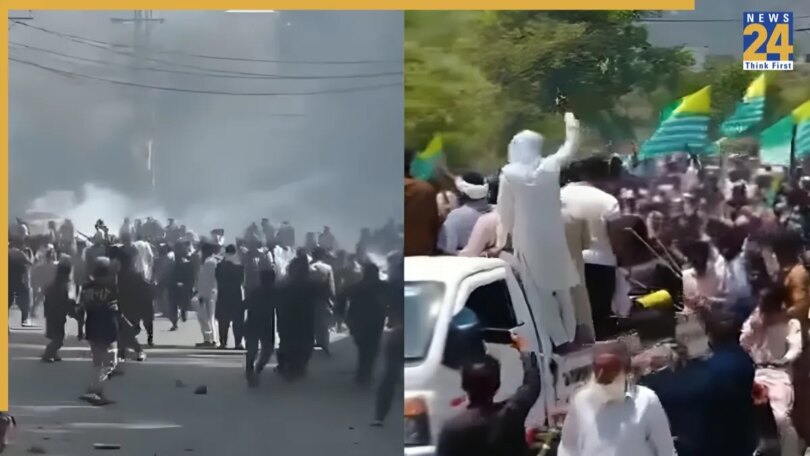
More than 30 people have been killed and nearly 200 injured after violent clashes broke out between protesters and security forces in Pakistan-occupied Kashmir (PoK). The unrest began after authorities banned the Joint Awami Action Committee (JAAC), a civil society group that has been leading protests over economic and political issues in the region.
The violence erupted in Rawalakot on Sunday, following rising tensions over the death of a local trader. The trader was reportedly shot during a confrontation with law enforcement officials on Friday night. His death triggered anger among locals, with JAAC supporters gathering outside a hospital mortuary where his body was kept.
According to Commissioner Sardar Waheed Khan, protesters turned violent when security forces tried to disperse them. He claimed that some activists used automatic rifles and petrol bombs against the forces. In response, law enforcers opened fire, leading to multiple deaths and injuries. Officials confirmed at least six protesters were killed in the firing and several people were arrested.
However, local residents and JAAC supporters have strongly disputed the official version. They claim that the number of civilians killed is much higher than reported and accuse authorities of using excessive force.
Why did the protests turn violent?
The clashes took place just a day before planned demonstrations by JAAC. The group had called for protests against the reservation of 12 seats for refugees in the upcoming July 27 legislative elections. Out of 45 total seats, this move had sparked anger among locals who feel politically sidelined.
Apart from this, protesters were also raising concerns over rising inflation, unemployment, electricity shortages, alleged resource exploitation, and repeated internet shutdowns in the region.
What is JAAC and why was it banned?
JAAC has described itself as a peaceful civil society alliance fighting for the rights of people in PoK. However, authorities recently declared it a “terror” group, citing concerns over law and order. The group has rejected these allegations, calling the ban “oppression” and insisting that their demands are legitimate.
First published on: Jun 09, 2026 03:56 PM IST
Get Breaking News First and Latest Updates from India and around the world on News24. Follow News24 on Facebook, Twitter.
End of Article
Related Story