1 / 6
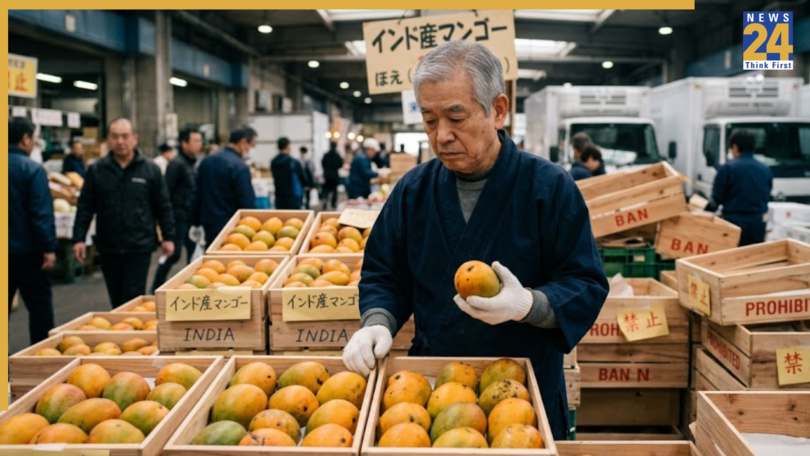
Japan has suspended Indian mango imports after finding lapses in pest-control procedures, affecting six popular varieties and creating challenges for exporters during the peak April-to-June export season.
Japan Suspends Imports Of Indian Mangoes

2 / 6
Japan has temporarily stopped importing fresh mangoes from India after quarantine officials found issues in pest-control procedures at mango treatment facilities. The move comes during India’s peak mango export season and has affected exporters who ship premium Indian mangoes to the Japanese market. Authorities from both countries are now discussing possible solutions to restore exports.
What Led To The Ban?

3 / 6
Before every export season, Japan sends quarantine inspectors to examine India’s Vapour Heat Treatment (VHT) facilities. These facilities use controlled heat and humidity to eliminate pests from mangoes before export. During inspections conducted in March 2026 at a treatment facility in Uttar Pradesh, Japanese officials reportedly found deficiencies in fumigation and disinfection procedures. As a result, Japan suspended acceptance of mango consignments certified after March 25, 2026, until operational standards improve.
Fruit Fly Concerns Behind The Decision

4 / 6
The main concern is the fruit fly, one of the world’s most damaging agricultural pests. Fruit flies lay eggs inside fruits, and the larvae can destroy produce from within. Japanese authorities have clarified that the issue is not necessarily linked to fruit fly infestations in exported mangoes. Instead, concerns focus on whether the required pest-control protocols were properly followed at treatment facilities before shipments were cleared for export.
Six Popular Indian Mango Varieties Affected

5 / 6
The suspension affects several of India’s most famous mango varieties:
- Alphonso (Maharashtra)
- Kesar (Gujarat)
- Banganapalli (Andhra Pradesh)
- Langra (Uttar Pradesh)
- Chausa
- Malika
Why The Ban Is Significant

6 / 6
The development is significant because Japan had previously banned Indian mangoes for nearly two decades due to pest-related concerns. That restriction, imposed in 1986, was lifted only in 2006 after extensive studies and negotiations between the two countries. Now, exactly 20 years later, Indian exporters face another suspension. The ban comes during the crucial April-to-June export season, creating challenges for growers and exporters. Industry representatives say discussions with Japanese authorities are ongoing in hopes of resolving the issue and resuming exports soon.