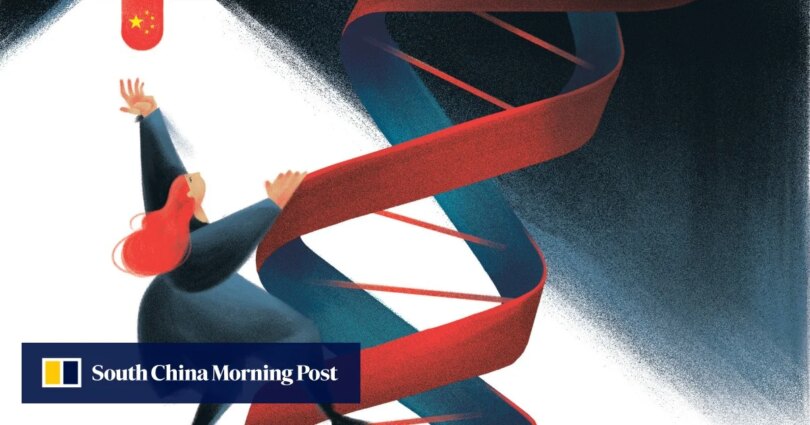
After those near-monopolies provided Chinese policymakers considerable leverage in last year’s trade dispute, US think tanks are asking whether pharmaceuticals represent the next critical dependency.
Their concern is not over the finished pills and capsules lining pharmacy shelves, but the upstream pharmaceutical ingredients, where petroleum-derived materials and biological feedstocks are transformed into the chemical building blocks of modern medicine. There, China has quietly built a strong foothold.
China now supplies 40 per cent of global active pharmaceutical ingredients (APIs) – the core chemicals that give medications their therapeutic effect, according to Chinese government data.
Further upstream, nearly 41 per cent of the key starting materials (KSMs) – basic chemical inputs for APIs – for drugs approved for use in the United States are sourced exclusively from China, according to the Washington-based Brookings Institution.
Those figures have unsettled policy circles in Washington. The Council on Foreign Relations, an American think tank, warned in a report last month that dependence on Chinese pharmaceutical ingredients could provide Beijing with leverage comparable to its dominance in rare earths.
In November, the Atlantic Council, another US think tank, urged the country and its partners, including the European Union, India and Mexico, to work together to strengthen medical trade and supply chain resilience and reduce reliance on China.