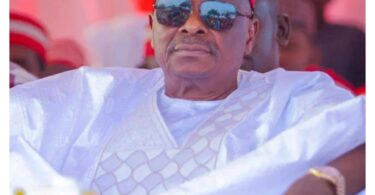
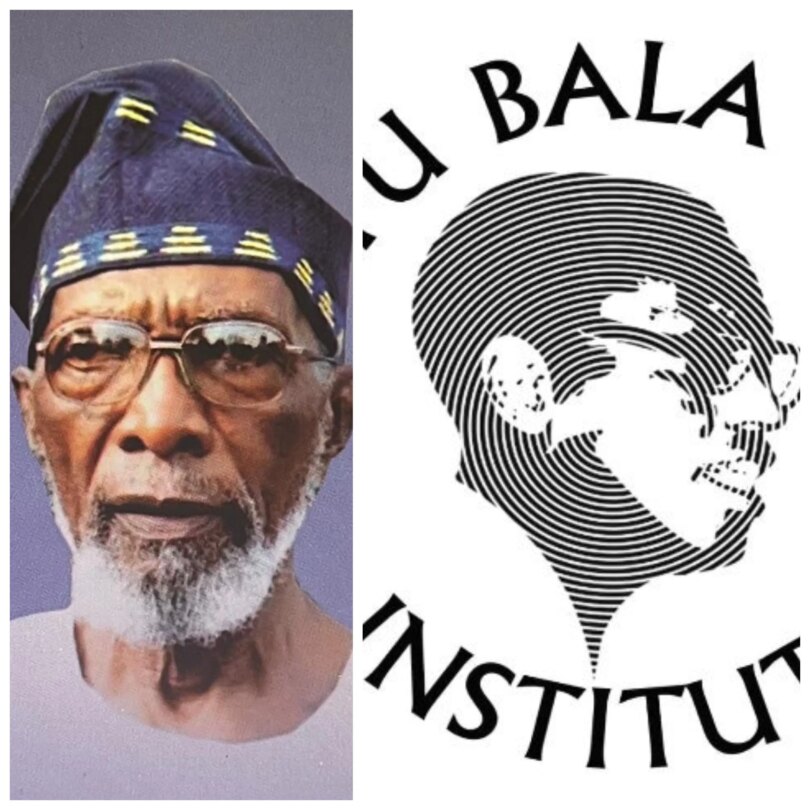
The Yusufu Bala Usman Institute has announced the death of its Chairman, Dr. Samuel Olusegun Osoba, a renowned scholar and economic historian, who died peacefully on Thursday at his residence in Ijebu Ode, Ogun State. He was 92.
In a statement issued by the Director of the institute, Norma Perchonock, the institute described the late Osoba as a rare intellectual whose life was devoted to scholarship, teaching and the struggle against exploitation and oppression in Nigeria.
According to the statement, Mr Osoba dedicated his academic career to educating students, colleagues and the wider public on the workings of capitalism and neo-colonial structures which, he believed, shaped and constrained Nigeria’s development.
The institute noted that his research and writings focused on exposing the economic systems that hindered national growth and development, while also proposing pathways for the liberation of citizens from exploitation.
“Dr. Osoba was a rare scholar whose whole life was dedicated to teaching and research designed to educate his students, colleagues and the general public about the nature of the capitalist system and the structures of neo-colonialism that dominate the Nigerian state,” the statement said.
It added that his contributions to economic history were groundbreaking and influential in shaping debates around governance, development and nation-building in Nigeria.
The institute further highlighted his extensive body of work, which ranged from scholarly books and academic papers to newspaper articles and opinion columns that reached a broad audience across the country.
One of his major intellectual contributions, according to the statement, was co-authoring “The Minority Report and Draft Constitution for the Federal Republic of Nigeria, 1976” alongside the late historian and political thinker, Yusufu Bala Usman.
The document, the institute said, played a significant role in national debates and discussions on constitutional development and Nigeria’s political future.
The institute described the late scholar’s death as a great loss to the academic community and patriotic Nigerians, saying he left behind an enduring legacy of scholarship, integrity and commitment to social justice.
“Segun is gone but he has left an enduring legacy and a shining example for patriotic Nigerians to emulate,” the statement added.
The family is expected to announce funeral arrangements in due course.