The United States military has taken a defining step towards becoming what it calls an “AI-first fighting force.” This month, the Pentagon announced agreements with eight of America’s most powerful technology companies to deploy artificial intelligence directly onto its most classified military networks.
The agreement includes Google, Microsoft, OpenAI, SpaceX, Nvidia, Amazon Web Services, Oracle and a startup called Reflection.
The deals, confirmed by the Defense Department, mark a watershed moment in the integration of AI into modern warfare. They also expose a deepening divide over who controls the technology, how far it can go, and what happens when ethics and national security collide.
Here are five things to know:
What the Pentagon actually signed
The Pentagon said the eight companies’ AI systems are now approved for networks classified at Impact Level 6, which handles secret data, and Impact Level 7, a designation covering the most highly classified military systems.
According to the Associated Press, the technology will help the military reduce the time it takes to identify and strike targets, while also aiding in weapons maintenance and supply chain logistics.
The Pentagon said military personnel are already using AI through its official platform, GenAI.mil, with over 1.3 million Defense Department users on the system. The announcement accelerates what the Pentagon describes as its push to “build an architecture that prevents AI vendor lock” by diversifying its AI suppliers across both open-source and proprietary models.
In short, the US military is not testing AI, it is deploying it, at scale, in some of the most sensitive environments in the world.
The company that said ‘no’
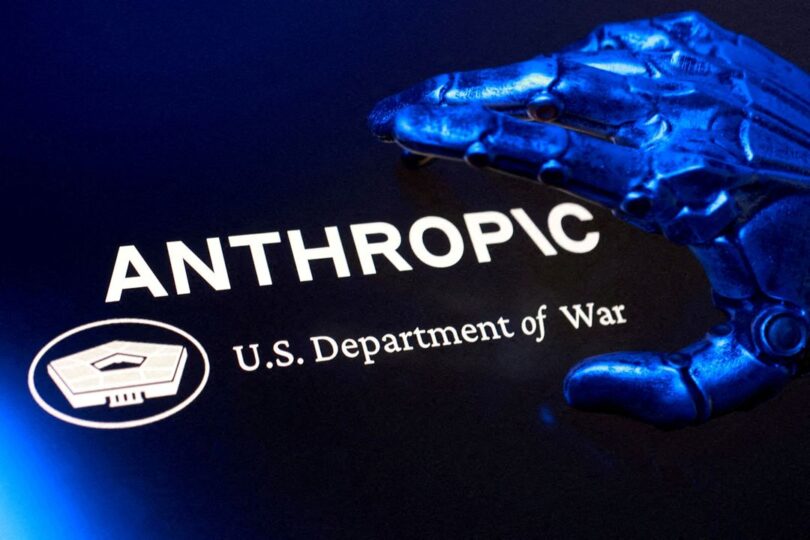
One major AI company was absent from the list: Anthropic, which refused to join the AI deal over ethical concerns.
First, it opposes using its Claude AI for mass domestic surveillance, arguing that AI-powered monitoring of Americans’ movements, browsing habits and associations is incompatible with democratic values.
Second, it refuses to power fully autonomous weapons that remove humans entirely from targeting decisions, saying today’s AI is simply not reliable enough for such life-or-death calls.
A dispute erupted after Anthropic’s refusal, leading the Pentagon to subsequently designate it a supply chain risk, the first time such a label had ever been applied to an American company.
Anthropic filed two separate lawsuits against the US administration, asking federal judges in San Francisco and Washington to overturn the order. A federal judge later blocked the government’s effort, calling the designation likely “pretextual.”
Despite the legal battle, signs of possible resolution have emerged. Trump’s chief of staff Susie Wiles met with Anthropic CEO Dario Amodei at the White House, after which Trump told CNBC that a deal was “possible,” saying “they’re very smart, and I think they can be of great use.”
The Pentagon-Anthropic standoff seems to have exposed how fragile the tech sector’s rhetoric around “safe and ethical AI” is, raising the uncomfortable question of whether companies’ ethical commitments are genuine principles or simply tools for reputation management.
Related