
PROSPER OKOYE
Nigerian non-governmental organisations have been urged to strengthen internal systems, attract more local funding, and build partnerships to ensure they outlive their founders, as foreign donor support continues to decline.
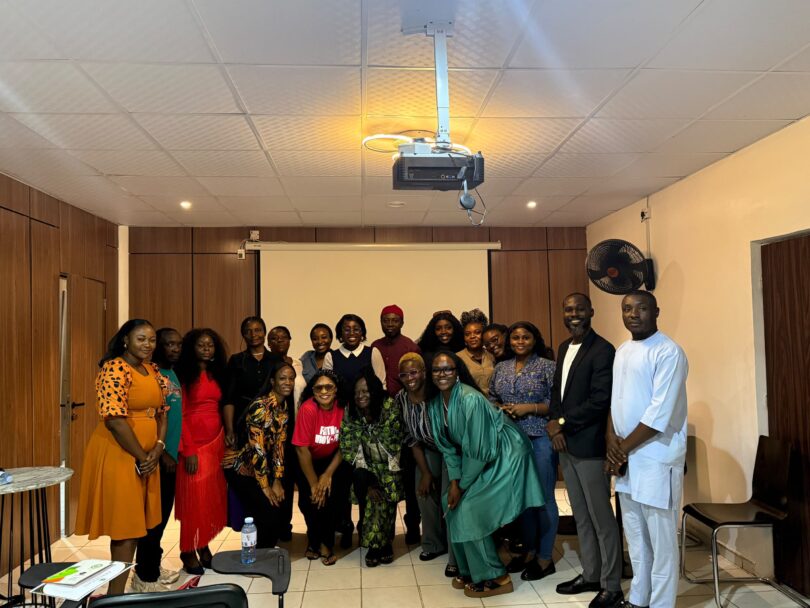
The call was made during a capacity-building programme organised by the Federal Capital Territory chapter of the Association of Orphanages and Vulnerable Children in Nigeria (AONN). Participants were encouraged to rethink how their organisations are structured and funded.
AONN FCT Chapter Coordinator, Kiema Ogunlana, said strengthening the capacity of member organisations is central to the association’s mandate.
She noted that participants assessed their organisational structures to identify gaps and were trained on strategies to improve visibility, monitor activities, and demonstrate impact.
“We taught them how to source for local funding as foreign donor funds are dwindling,” Ogunlana said.
Discussions also focused on building institutions that can function independently of their founders — a challenge experts say has led to the collapse of many Nigerian NGOs.
Dr. Robinson Mavis, Senior Adviser at Heal the Youth Foundation, said strong internal systems are essential for organisations to survive leadership changes.
According to her, many NGOs in Nigeria are built around the passion and personality of their founders, with little attention paid to succession planning and institutional structures.
“We have a repeated pattern here in Nigeria. We start organisations out of passion, and most times they die with the founders,” Mavis said.
She urged NGO leaders to see their work as building institutions that transcend individuals, rather than structures dependent on one person.
“If you come with the mindset that you are building a career and a profession that is bigger than yourself, your approach will be different,” she said.
Hauwa Abbas, Founder of Silver Lining Initiative, said some NGOs begin operations without adequate knowledge of government laws and policies guiding their work. She added that many also fail to build networks for learning and collaboration.
“We need to work together and collaborate to be more impactful,” Abbas said.
She advised organisations to regularly conduct SWOT analyses and explore pro bono professional services, volunteers, and other forms of local support instead of relying only on cash donations.
“People are willing to help locally if you are willing to ask,” Abbas said, noting that NGOs can access in-kind support even in a difficult economic environment.
She also called for greater professionalism in staffing and organisational management.
The AONN FCT Coordinator further encouraged organisations working with orphans and vulnerable children to join coalitions and relevant networks, saying such partnerships can help them strengthen and expand their work.
Participants received certificates of attendance at the end of the programme.