
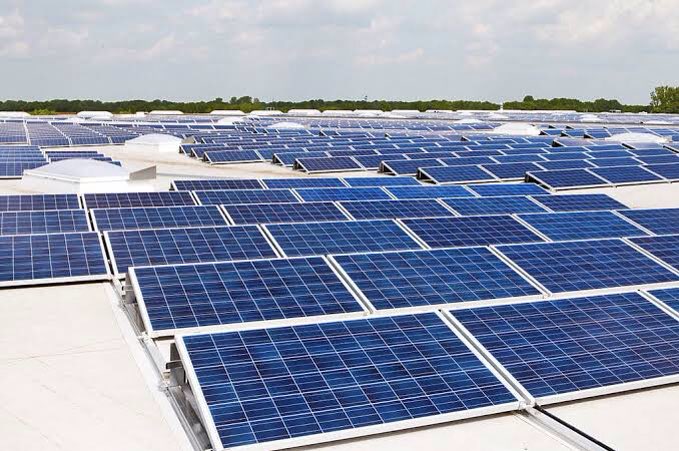
The Nigerian Electricity Regulatory Commission (NERC) has begun implementing the Net Billing Regulations 2026, a policy that allows eligible electricity consumers with renewable energy systems, especially solar installations, to generate electricity for their own use and sell excess power to electricity distribution companies (Discos).
The new framework is expected to boost the adoption of renewable energy across Nigeria, encourage private investment in electricity generation, and increase power supply to the national distribution network.
In a public notice announcing the commencement of the regulations, NERC said the scheme introduces a system where qualified electricity users can become “prosumers” — consumers who also generate electricity.
According to the commission, participants must own renewable energy systems with installed capacities ranging from 50 kilowatts peak (kWp) to 1.5 megawatts peak (MWp). The regulations primarily target businesses, institutions, and other large-scale electricity consumers rather than households with small solar systems.
Under the arrangement, consumers will first use electricity generated by their solar installations. Any surplus power produced beyond their immediate needs can then be exported to the distribution network through specially installed bidirectional meters that record both electricity consumed from the grid and electricity supplied back to it.
NERC explained that exported electricity will be credited based on tariffs approved by the commission, creating an opportunity for eligible customers to earn from excess power generation.
The commission noted that the initiative is designed to promote renewable energy adoption, improve energy security and reliability, attract private sector participation in distributed power generation, reduce greenhouse gas emissions, and support the integration of renewable energy into distribution networks.
Industry observers believe the scheme will particularly benefit factories, universities, hospitals, shopping malls, industrial estates, telecommunications facilities, and other large commercial organisations that operate significant solar power systems.
Such facilities often generate excess electricity during peak sunlight hours, especially during periods of reduced activity, and can now supply that unused energy to the grid.
To participate in the programme, applicants must be connected to a Disco’s network, install renewable energy systems that meet regulatory standards, obtain approval from the relevant distribution company, sign a net billing agreement, and register with NERC.
Interested customers will also undergo a technical feasibility assessment conducted by their distribution company before approval is granted.
Successful participants will be provided with bidirectional metering infrastructure to accurately measure electricity imported from and exported to the grid.
NERC said the new framework aligns with efforts to expand renewable energy use in Nigeria and reduce dependence on conventional power sources, while helping to address the country’s longstanding electricity supply challenges.
The commission believes the initiative will attract private investment into renewable energy and contribute to a more reliable and sustainable power sector.