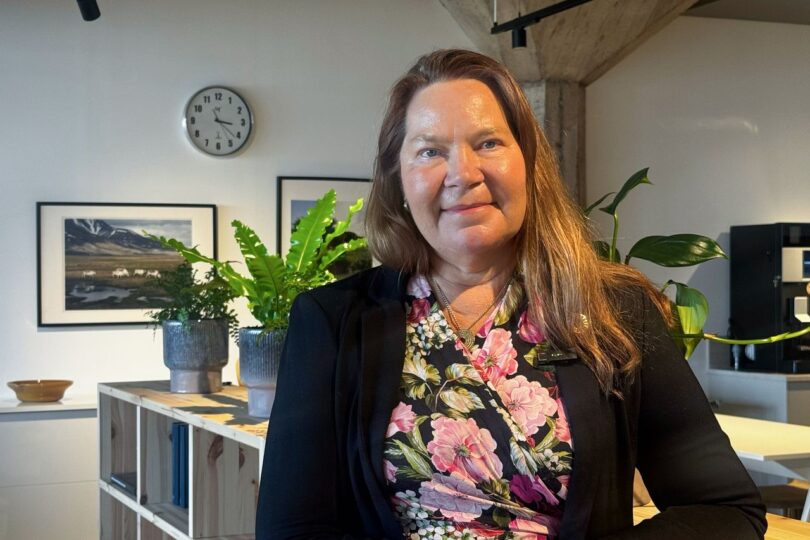
Energy transition, geopolitics and climate finance at centre of talks
Markovic said that as the world is going through an energy crisis, maintaining a fossil fuel-based system is becoming increasingly costly and difficult in terms of ensuring energy security.
She stressed the importance of shifting towards clean energy, adding that such a transition should be implemented without delay and that prioritising the issue was critical.
Markovic warned that multiple ongoing crises could push climate issues further down the global agenda, saying there was currently significant pushback on climate action.
“Unfortunately, we see that there is a lot of pushback on the climate change agenda right now. So, politicians are not willing to engage. They are giving priority to the more geopolitical security questions, and this is taking away some of the interest in climate change,” she said.
“I think most of us are actually realising that we need to have two thoughts in our mind at the same time. We both need to deal with the geopolitical situation and the crisis, but we also need to deal with the long term effects of climate change and they are also interlinked.
“So, you see that the energy crisis is very much based on the fact that we are still dependent on fossil fuels. So, the sooner we can transit away from the fossil fuels, the less dependent we are,” she added.
Markovic said how to phase out fossil fuels is expected to be one of the most challenging issues at COP31, noting that some countries that are parties to the Paris Agreement are blocking progress on ending fossil fuels due to their economic dependence on them.
She said these countries need to be engaged in order to ensure they also see the necessity of advancing progress. Markovic said countries heavily reliant on fossil fuels should diversify their economies, noting that while this is necessary, it is difficult to achieve in practice.
Markovic said she expects COP31 to make some progress on fossil fuel phase-out, while also facing difficult decisions on climate finance and consensus-building.
“I think that we can expect some progress on fossil fuel phase-out. There will be many difficult decisions to be taken on financing and, of course, having everyone agree is going to be difficult. But I have strong faith in both Australia and Türkiye to be able to do this. Because if we just look at the doom and gloom of the current geopolitical situation, then we can say, okay, let’s jump a year, let’s not negotiate. But I think that there is always an opportunity to make a little bit of progress, and that’s better than nothing,” she said.
Markovic concluded her remarks by saying: “This time it’s going to be the energy COP, but it’s also going to continue to be the COP about implementation. Coming to Türkiye, showcasing what we are doing in order to implement the Paris Agreement, I think that’s going to create a very good message.”
Related