
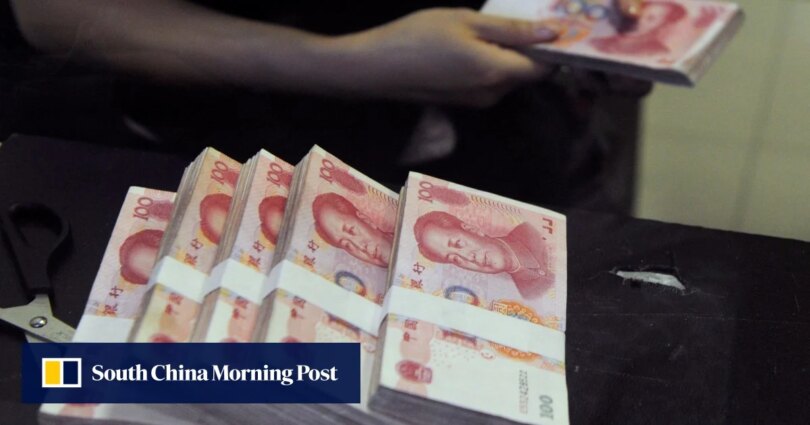
China and Russia have largely moved away from the US dollar in bilateral trade settlement, with most transactions now settled in their own currencies. Yet cross-border payment bottlenecks persist as Chinese banks carefully manage their exposure to Washington’s sanctions regime, according to a senior Russian banker.
“In practice, we are seeing constantly occurring gaps within the payment infrastructure,” said Alexander Vedyakhin, first deputy chairman of the management board at Sberbank, Russia’s largest bank.
“Payment routes are becoming many times more complex, requiring the inclusion of additional intermediary banks, which often reject payments without providing a detailed explanation of the reasons.”
Speaking at the St. Petersburg International Economic Forum 2026 on Wednesday, Vedyakhin noted that Chinese banks had been forced to balance risks to avoid falling victim to secondary sanctions, limiting Russian lenders’ access to direct banking channels.