
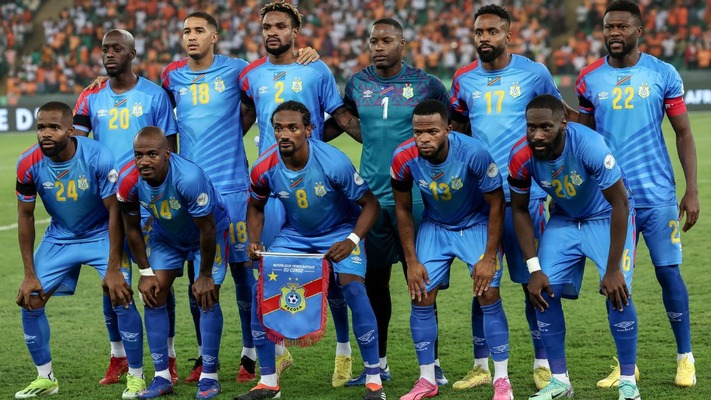
DR Congo’s final warm-up match ahead of the 2026 FIFA World Cup against Chile will be played behind closed doors after health concerns linked to an Ebola outbreak in the African nation disrupted logistical plans for the fixture.
The game, originally scheduled for Cadiz in Spain, has been relocated to the French city of Orléans and will now take place without spectators on Tuesday at 16:00 BST.
Organisers confirmed the decision as a precautionary measure amid rising concern over the spread of Ebola in parts of eastern DR Congo.
The change marks another adjustment in what has already been an unsettled build-up for the Congolese national team, who are attempting to finalise preparations for their first World Cup appearance since 1974.
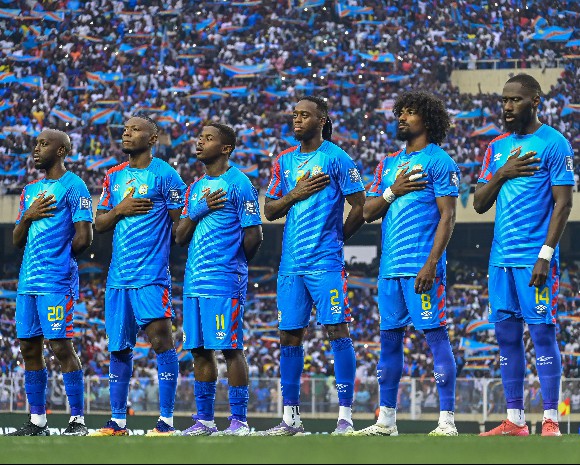
Travel restrictions and health protocols tightened
The United States, which will host part of the tournament, has introduced strict entry requirements for delegations travelling from DR Congo.
Players and officials are required to remain outside the country for at least 21 days and show no symptoms before being granted access.
While DR Congo’s squad is made up entirely of players based abroad, some members of the support staff and a small group of travelling supporters are believed to have recently been in the country, increasing scrutiny around health clearance procedures.
The squad has been based in Marbella, Spain, following a 10-day training camp in Belgium, where they played out a goalless draw with Denmark as part of their preparations.
World Cup return after five decades
DR Congo’s qualification marks a significant return to the global stage, with their last appearance coming in 1974 when the nation competed as Zaire. They finished bottom of their group after defeats to Scotland, Brazil and Yugoslavia.
At the 2026 tournament, DR Congo will be based in Houston for the group stage. They begin their campaign against Portugal on 17 June before facing Colombia in Guadalajara, Mexico, and concluding their Group K fixtures against Uzbekistan in Atlanta.
Health authorities continue to monitor the Ebola outbreak, with the World Health Organisation warning that the strain involved —Bundibugyo Ebola, has no approved vaccine yet, raising concerns over containment timelines.