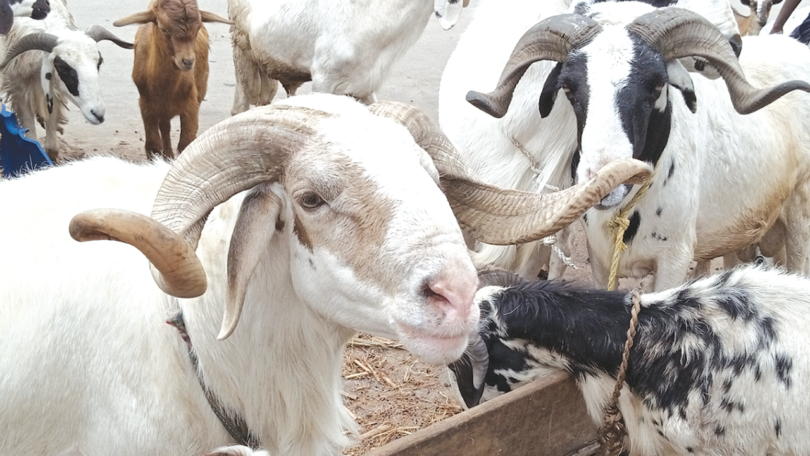
Ram prices across major livestock markets in Abuja have surged sharply ahead of the 2026 Eid-el-Kabir celebrations, with premium breeds now selling for as high as N1.5 million amid rising inflation, transportation costs, insecurity and worsening pressure on household incomes.
A market survey conducted by Naijaonpoint across key livestock markets in Abuja revealed that the cost of sacrificial animals has increased significantly compared to last year, with traders attributing the spike to inflation, high transportation costs, insecurity and rising feeding expenses.
The development comes amid persistent inflationary pressures and weakening consumer purchasing power across the country.
Traders across Abuja livestock markets said soaring logistics and operational costs have significantly affected pricing and reduced customer turnout ahead of the Sallah celebration.
At the popular Orange Market, medium-sized rams that sold for around N200,000 during the 2025 Eid-el-Kabir season now cost between N350,000 and N400,000. Smaller rams are priced between N230,000 and N250,000, while larger breeds sell for between N550,000 and as much as N1.5 million depending on size and breed.
The increase in livestock prices is also being driven by broader economic and structural challenges affecting food supply chains across Nigeria.
Economists say insecurity along livestock supply routes, high diesel prices, exchange rate pressures and climate-related challenges are all contributing to the surge in prices. Many herders are also spending more on feed supplements due to worsening grazing conditions, increasing production costs that are eventually transferred to consumers.
Financial analyst Yusuf Ahmed noted that rising diesel prices and insecurity in grazing communities continue to disrupt supply and increase risks for traders.
Experts believe the current trend may force many low- and middle-income households to either scale down their Eid-el-Kabir celebrations or adopt cost-sharing arrangements to afford sacrificial animals this year.
Buyers at the markets lamented that the rising prices may prevent many Muslim families from observing the traditional Eid sacrifice this year.
A civil servant, Ibrahim Sani, said many households are now considering alternatives.
Nigeria’s headline inflation rate rose to 15.69% in April 2026 from 15.38% recorded in March, according to the latest Consumer Price Index report released by the National Bureau of Statistics (NBS).
The continued rise in livestock prices ahead of the festive period underscores the growing strain on household budgets as inflation and economic pressures persist across the country.