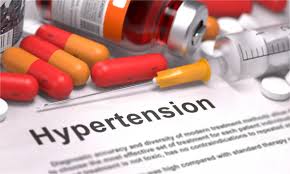
(Hypertension. Photo by Daily Post)
The Nigerian Hypertension Society has called on the Federal Government and the National Health Insurance Agency to make antihypertensive medicines more accessible and affordable, warning that the high cost of treatment is preventing many Nigerians living with hypertension from managing the condition effectively.
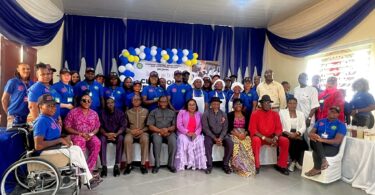
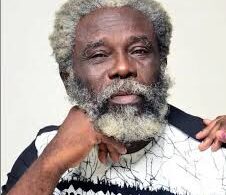
Speaking at a press briefing in Port Harcourt, NHS President Professor Simeon Isezuo described hypertension as a lifelong condition requiring continuous treatment, making affordability critical particularly given Nigeria’s current economic pressures.
He said the disease remains a major public health concern, with a significant proportion of those affected either unaware of their condition or unable to keep their blood pressure under control.
“One in every adult Nigerians has hypertension. And sadly, almost less than one in five of people with hypertension have their blood pressure under control,” he said.
Isezuo warned that poorly managed hypertension exposes patients to life-threatening complications including stroke, chronic kidney disease, heart failure and heart attacks, while also reducing productivity and placing additional financial burdens on families.
“Hypertension remains a silent killer in Nigeria,” he stated.
He noted, however, that the condition is treatable when detected early, and urged all Nigerians to regularly check their blood pressure, stressing that many people carry the condition without knowing it due to the absence of visible symptoms.
The NHS president also appealed to journalists and media organisations to verify health information with qualified experts before publication, particularly given the spread of misinformation online.
Also speaking at the briefing, Chief Medical Director of Rivers State University Teaching Hospital Professor Chizindu Alikor drew attention to the heightened risks hypertension poses to pregnant women, noting that related disorders such as preeclampsia are among the leading contributors to maternal mortality in Nigeria.
He stressed the need for routine screening and early detection to prevent avoidable deaths.