The head of the International Energy Agency (IEA), Fatih Birol, has warned that the world is confronting what he described as ?the biggest energy security threat in history,? as the conflict involving Iran and the continued closure of the Strait of Hormuz shake global markets. Speaking virtually at an industry forum in Singapore, Birol said the market has already lost around 13 million barrels of oil per day, while major disruptions are also affecting other essential commodities.
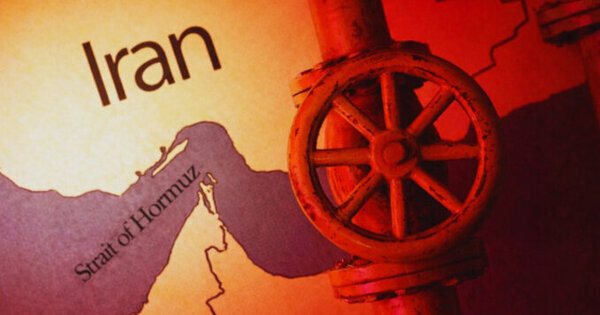
According to him, the combination of war in the region and the blocked strategic waterway could trigger ?the largest energy crisis we have ever faced.? The Strait of Hormuz, one of the world’s most critical oil transit routes, normally handles around 20 million barrels of oil and petroleum products daily. At present, however, the route is effectively sealed under what Birol described as a ?double blockade,? with neither Iran nor the United States allowing normal shipping traffic to pass.
The IEA warns that if the disruption continues, the consequences will go far beyond oil prices. It could slow global economic growth, push inflation even higher and even force governments to consider energy rationing. Europe is already feeling the strain, particularly in aviation. The agency pointed to an ?imminent jet fuel crunch? as Middle Eastern refineries, which previously supplied around 75% of Europe’s jet fuel, are now largely cut off.
Birol noted that Europe is trying to secure alternative deliveries from the United States and Nigeria, but warned that this may not be enough. ?If we are not able to get, in Europe, additional imports from the countries now, we will be in difficulties,? he said, adding that authorities may eventually need to consider measures to reduce air travel if supplies remain tight.
At the same time, the IEA chief believes the crisis will accelerate the global shift toward alternative energy sources. He expects nuclear energy to receive a strong boost, while renewables such as solar and wind are likely to expand rapidly. Electric vehicles could also benefit from the shift. However, he also acknowledged that some countries, particularly in Asia, may temporarily return to coal use as governments try to secure immediate energy supplies.
In an effort to ease pressure on the market, the 32-member IEA agreed in March to release 400 million barrels of oil from emergency reserves, with a second release still under discussion. Birol stressed that this is only a temporary measure. ?This is only helping to reduce the pain, it will not be a cure,? he said, insisting that the real solution remains clear: ?The cure is opening up the Strait of Hormuz.?