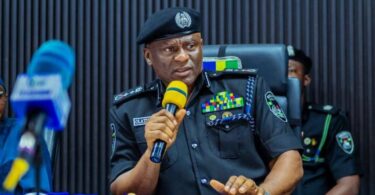
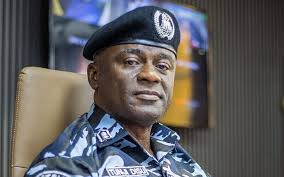

The Inspector-General of Police (IGP), Olatunji Disu, has barred serving officers and men of the Nigeria Police Force from engaging in unauthorised social media activities, including creating videos, live streaming, posting skits, and monetising content on platforms such as TikTok, Instagram, Facebook, YouTube, and other similar platforms while identifying themselves as police officers.
In a circular dated June 22 and signed by his Principal Staff Officer, the police boss warned that any officer found violating the directive must face severe disciplinary measures, including immediate suspension from duties, forfeiture of salary, demotion, dismissal from the Force, and possible criminal prosecution.
The IGP expressed concern over the growing and most disturbing trend of police personnel creating social media content without official approval.
According to the circular, officers have been “producing and posting videos of themselves in police uniform on TikTok, Instagram, Facebook and other platforms for entertainment, personal promotion, and financial gain, operating social media accounts under their real names or pseudonyms in ways capable of bringing the Nigeria Police Force into disrepute, publicly commenting on official police operations, disciplinary matters, internal affairs and national security issues without authorisationand aspiring to become full-time social media content creators while still serving in the Force and making statements and sharing opinions on sensitive issues that undermine public confidence in the Nigeria Police Force.’
The circular reminded officers that their conduct is already governed by several laws that prohibit officers from making unauthorised public statements, granting interviews without approval, posting content in police uniform for non-official purposes, or engaging in online activities capable of embarrassing or compromising the Force.
The IGP directed that, with immediate effect, all serving officers and men are prohibited from “Creating, publishing or sharing videos, photographs, skits, live streams or any other content in police uniform or within police premises without express written approval from the Inspector-General of Police or his designated representative, operating personal or anonymous social media accounts for content creation, entertainment, brand promotion or commercial purposes where such activities reference or exploit their status as police officers, publicly commenting on police investigations, postings, transfers, promotions, disciplinary proceedings or any official police matter. accepting sponsorships, endorsement deals, monetisation arrangements or commercial partnerships arising from content that leverages their identity as police personnel and posting or disclosing classified, restricted or sensitive information relating to police operations, deployments, personnel or strategies. Making statements on political matters, government policies or public controversies in a manner linked to their identity as police officers.”
The IGP warned that senior officers would be held personally responsible for violations committed by officers under their command.
The circular further ordered Commissioners of Police to formally communicate the directive to every officer in their commands and submit evidence of dissemination, including attendance registers and acknowledgement forms, to the Force Secretary within 30 days.