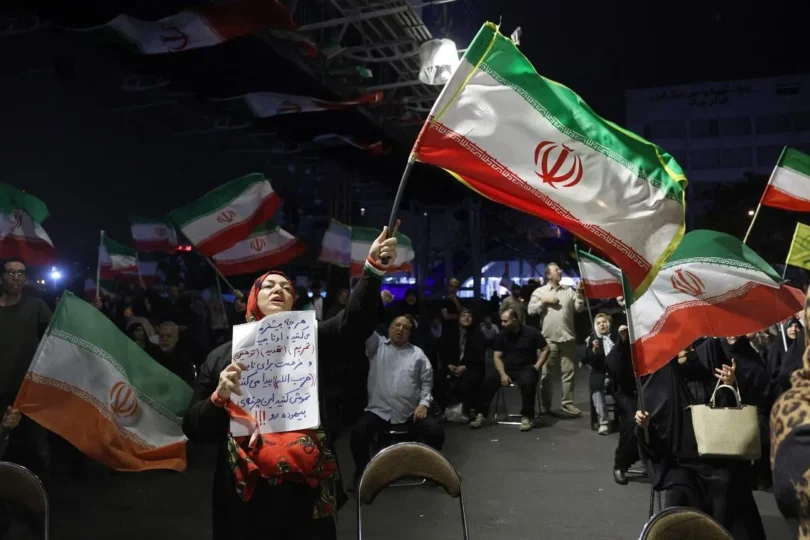
TEHRAN – Iran’s chief negotiator said on May 31 that Tehran would not agree to any deal with the United States unless it fully secures Iranian rights, as reports emerged that Washington had sent a tougher peace proposal back to Iran.
Any tweaks to the proposal could further delay an agreement to formally end the Middle East war and reopen the Strait of Hormuz after weeks of fraught negotiations marked by sharp rhetoric and occasional flare-ups of violence.
The New York Times and Axios reported on May 30 that US President Donald Trump sent back a new framework to be considered by Iran with “tougher” terms, though details remain unclear.
“We will not approve any agreement until we are certain that the rights of the Iranian people have been upheld,” Mohammad Bagher Ghalibaf said in a video broadcast on state television.
“There is no trust in the enemy’s words and promises,” he said. “Our only criterion is to achieve tangible results before we fulfill our commitments in return.”
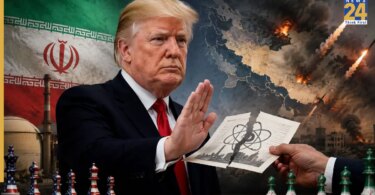
Trump has said his priorities include stopping Iran from any nuclear weapon development and reopening the blockaded Hormuz shipping lane.
“The one guarantee that I have to have is that there will be no nuclear weapons. They’ve agreed to that, and it was very interesting,” he told his daughter-in-law, Lara Trump, in an interview broadcast on her Fox News programme late on May 30.
But Tehran has previously cast doubt on Trump’s assertions, and the sides remain far apart on key issues.
Iran has said it needs the release of US$12 billion (S$15 billion) in frozen assets before engaging in substantive talks on its nuclear programme, dismissing Trump’s earlier comments that its enriched uranium stockpile would be destroyed as “baseless”, according to Iranian media.
Tehran has also insisted that Lebanon be included in any deal, despite ongoing fighting, with Beirut accusing Israel of a “scorched-earth policy” as it expands operations against the Iran-backed militant group Hezbollah.
After previously signalling a deal was close, Trump struck a less urgent tone, hinting at renewed military action in the Fox interview.
“I’m in no hurry,” he said. “If we don’t get what we want, we’re going to end in a different way.”
That echoed remarks by US Defence Secretary Pete Hegseth, who said at a defence summit in Singapore on May 30 that Washington is “more than capable” of restarting the war if needed.
Though daily strikes throughout Iran and the Gulf halted after Tehran and Washington struck a temporary ceasefire in April and talks mediated by Pakistan, sporadic fighting has continued.
Iran’s Revolutionary Guards shot down a US military drone “about to enter Iranian territorial waters”, Iran’s state broadcaster IRIB reported, though Washington has not confirmed the incident.
Earlier this week, the worst fighting since the ceasefire erupted when US forces struck the Iranian port of Bandar Abbas, prompting retaliatory fire from Iran.
Nevertheless, diplomacy has continued, with Trump under pressure to secure a deal that would lift competing US and Iranian blockades around the Strait of Hormuz that have strangled a vital route for global oil supplies.
After Trump said Iran would charge “no tolls” on ships passing through the strait under any deal, Iranian news agency Fars cited sources saying “no such clause” existed.
Iran’s ISNA news agency on May 30 quoted lawmaker Alireza Salimi as saying a plan “to implement Iran’s management and sovereignty” over the strait would soon go before Parliament.
Israeli Defence Minister Israel Katz said on May 31 Israel’s troops have also crossed the Litani river and raised the Israeli flag over the strategic mediaeval fortress of Beaufort in southern Lebanon.
Smoke billowed from the surrounding area as the invading army’s banner was seen above the castle, which Israel famously used as a base during their previous two-decade-long occupation.
The push to Beaufort came as the Israeli military issued a sweeping evacuation order to areas south of the Zahrani River, north of the Litani and around 40km from the border, warning that it was targeting Hezbollah.
The military said on May 31 that one soldier was killed the previous day in a Hezbollah drone strike.
Lebanese Prime Minister Nawaf Salam has accused Israel of pursuing a “scorched-earth policy and collective punishment”, and called for “a swift and real ceasefire”.
Israel confirmed it was expanding its ground offensive in a statement released early on May 31, saying “a significant number” of its forces were operating against Hezbollah beyond the Litani river.
A truce between Israel and Hezbollah formally began on April 17, but it has never been observed, with both sides accusing each other of violating it.
In early March, Hezbollah launched rockets at Israel in retaliation for the killing of Iran’s supreme leader in US-Israeli strikes, prompting Israel to carry out near-daily air raids in Lebanon and launch a ground invasion.
Israel and Lebanon began direct talks in April, with a fourth round expected in the coming week. AFP